Feng Shui is an ancient Chinese philosophy with thousands of years of history. Its primary aim is to create peaceful, balanced, and high-energy living spaces by ensuring that people harmonize with their environment. It encompasses many elements, from home decoration to architecture, color selection, and furniture arrangements.
According to Feng Shui, the energy flow inside a house directly affects the mood, health, and overall quality of life of the people living there. Therefore, a space arranged according to Feng Shui principles provides a supportive environment not only from an aesthetic perspective but also in terms of emotional and mental balance.
What is Feng Shui and What are Its Basic Principles?
Feng Shui literally means "wind" (feng) and "water" (shui). It is a system used to regulate the flow of life energy (Chi) in nature. The correct flow of this energy supports peace, health, happiness, and success in living spaces. At the heart of Feng Shui lies the belief that the order and arrangement of our surroundings directly affect our lives.
One of the most fundamental principles of Feng Shui is
Chi. Chi represents invisible life energy, and it needs to circulate freely in the home. This energy should not be blocked or redirected. Clutter, sharp corners, or dark areas block the energy.
Another fundamental principle is the balance of
Yin and Yang. Yin represents passive, soft, and calm energy; Yang represents vibrant, active, and strong energy. Ideally, a living space should contain these two energies in balance. For example, Yin energy should be predominant in the bedroom, while Yang energy should be more prominent in the study room.
The
Five Element Theory is also a cornerstone of Feng Shui: wood, fire, earth, metal, and water. These elements are associated with specific colors, objects, and directions. For balanced decoration, it is recommended to represent these five elements in the space. For example, green plants represent the wood element, while candles represent fire.
Lastly, the
Pa Kua map (Bagua) is used in Feng Shui applications to determine the energy areas of a house. Each area represents a living aspect such as health, career, love, family. Decorating according to this map can help more easily achieve balance in a person's life.
How is Energy Flow Maintained According to Feng Shui at Home?
In Feng Shui, energy flow is directly related to the arrangement of the house and the placement of furniture. For energy to move freely, spaces need to be spacious, simple, and functional. Overcrowded or disorganized arrangements can cause energy to stagnate and create negative effects.
The first step to ensure energy flow at home should be to eliminate clutter. Unnecessary items, unused objects, or messy cupboards hinder Chi from circulating freely. Therefore, it is advised to simplify periodically.
Doors and windows are energy entry and exit points in Feng Shui. Therefore, areas like the entrance or window area should be left open, and obstacles blocking energy flow should be removed. Especially the entrance door should be spacious and bright since it is the first point where Chi enters the home.
Lighting also plays an important role in energy flow. Natural light is the strongest energy source; however, in areas where sufficient light cannot be obtained, soft and warm-toned artificial lights should be used. Dim or dark corners can disrupt the energy balance, so these areas should be activated with lighting.
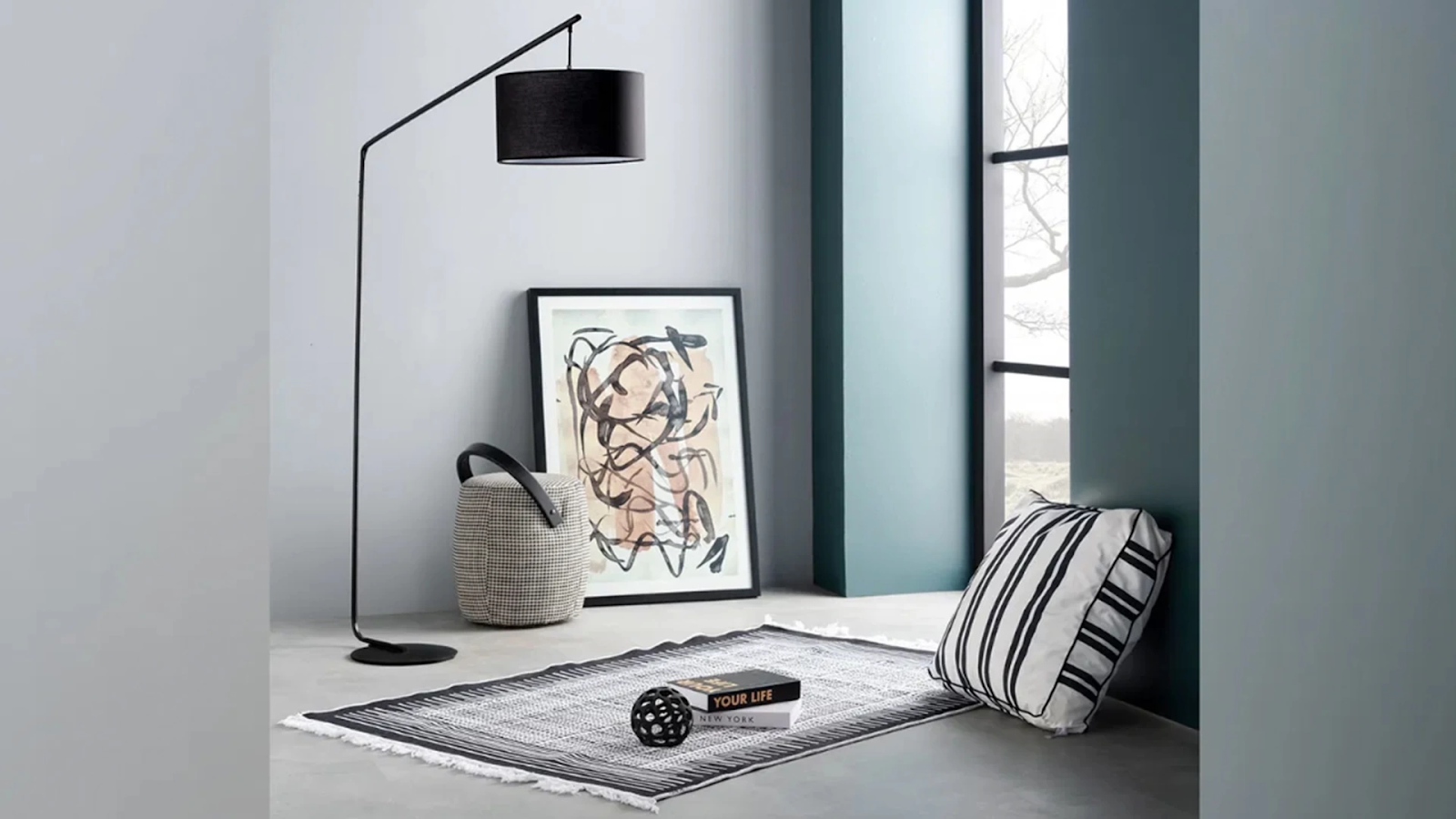
Additionally, arrangements like directly opposing doors or mirrors that face a door can cause energy to bounce back. In such situations, energy can be redirected using curtains, plants, or
decorative separators.
Which Colors Should be Preferred in Feng Shui Decoration?
Colors are considered energy carriers in Feng Shui, and each color represents a different emotional state or aspect of living space. Therefore, colors to be used in decoration should be chosen consciously in terms of energy as well as aesthetics. It is recommended to make color choices according to the function of the space.
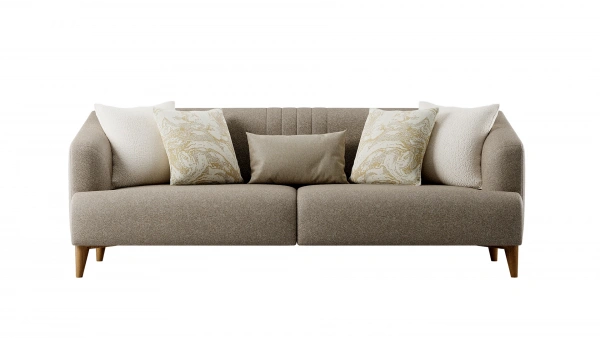
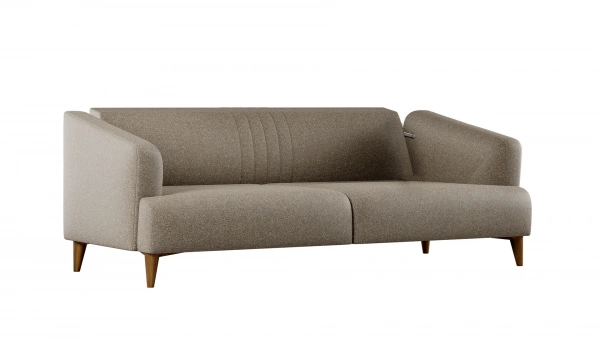
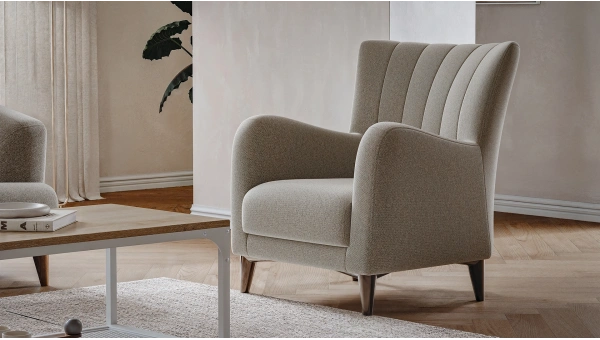
Earth tones (beige, brown, cream) carry the energy of balance and stability. These colors create peace and warmth in relaxation areas like bedrooms and living rooms. They are also associated with the earth element and evoke naturalness.
Blue and black tones represent the water element and support areas like tranquility, intuition, and career. When used in workspaces, home entrances, or the north, these colors can create positive effects. However, excessive use can create a sense of coldness.
Green tones are associated with the wood element and carry the energy of growth, health, and freshness. When used with plants, they enhance the vibrancy of the home. It is particularly recommended for use in east-facing rooms.
Red and orange tones represent the fire element and encompass energies such as movement, passion, and vitality. Since excessive use can create pressure, they should be used balanced in details or certain areas. For instance, these colors can be added with candles, pillows, or small decorative objects.
White and gray tones are associated with the metal element. They carry the energy of cleanliness, clarity, and precision. When used in workspaces or towards the west, these tones increase focus. It is important not to overdo it and combine it with soft textures.
How Should Furniture Be Arranged According to Feng Shui?
According to Feng Shui, furniture placement directly affects both energy flow and human psychology. Below are the things to pay attention to for creating a harmonious atmosphere:
- Large furniture should not be placed directly opposite the entrance door. This causes the energy to be blocked before entering the house.
- The bed should be placed where it can see the door but not aligned with it. This increases the sense of security and peace.
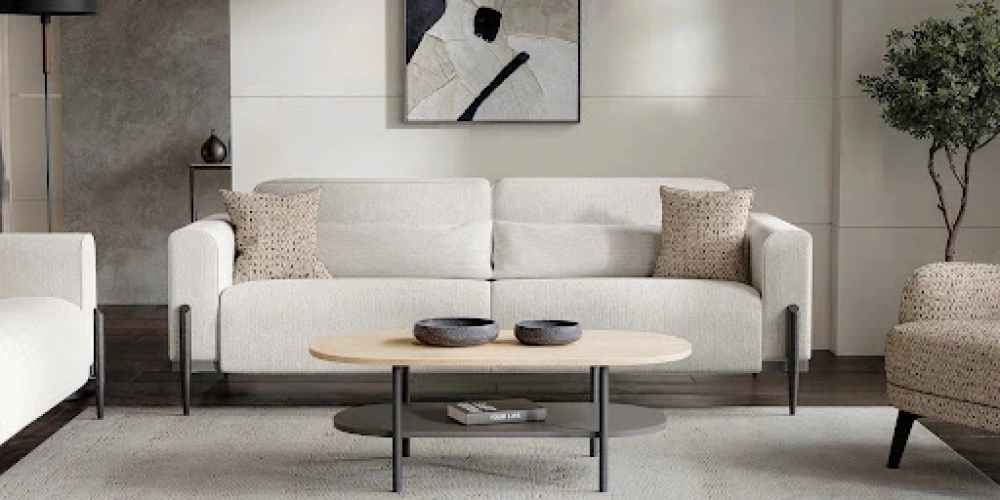
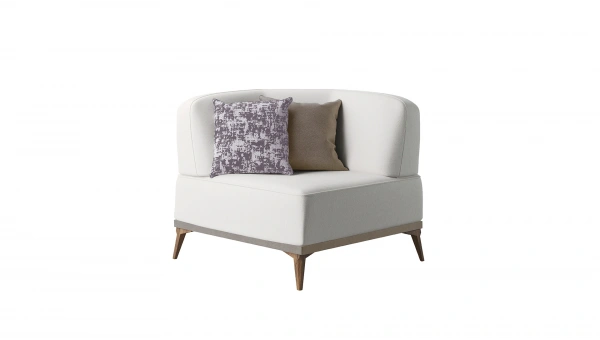
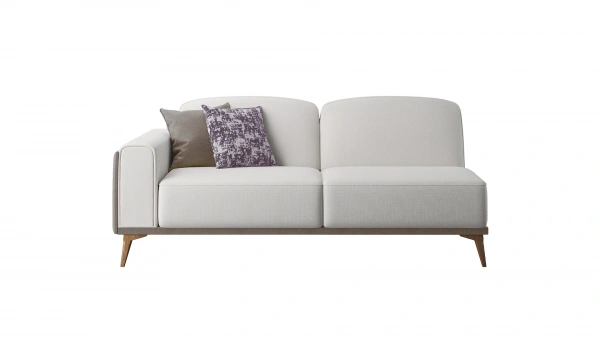
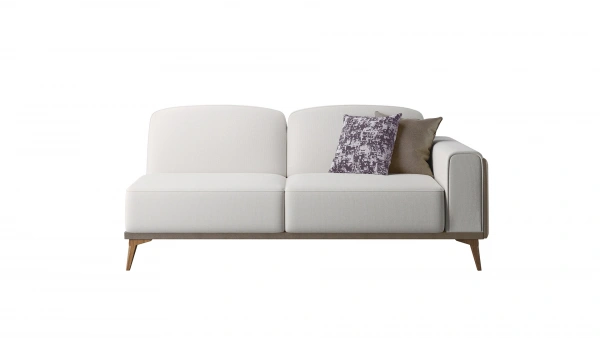
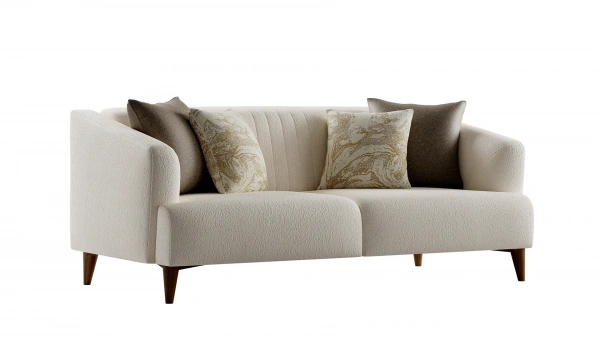
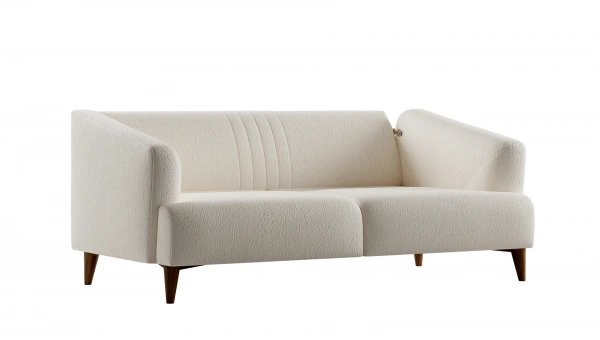
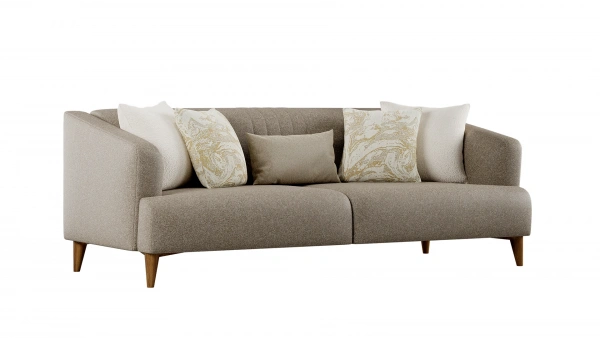
- Seating furniture like sofas and couches should be placed against a wall and not leave empty space behind them. This creates a feeling of support.
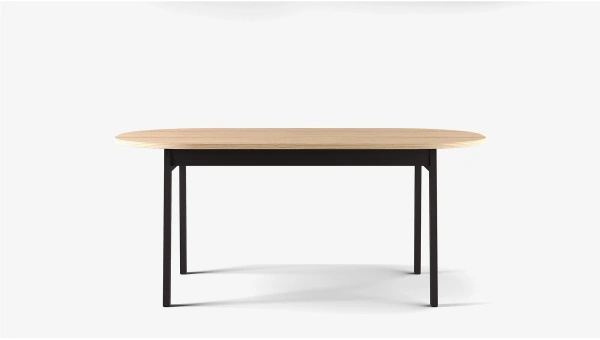
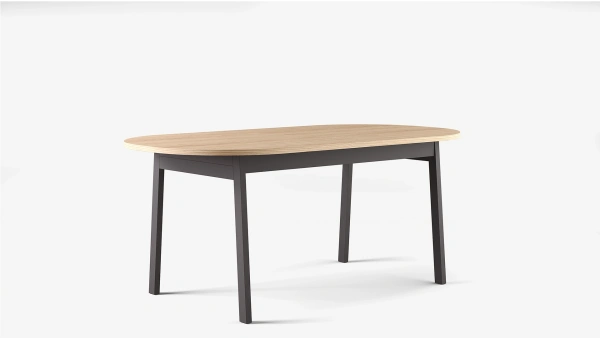
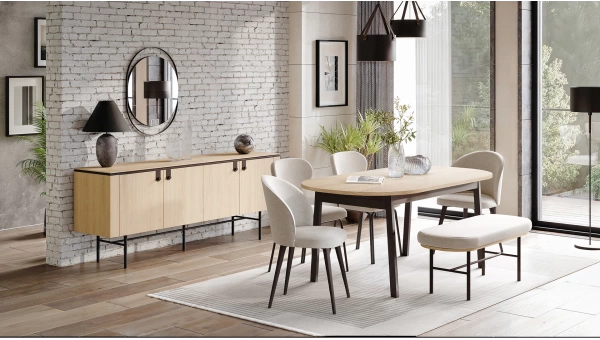
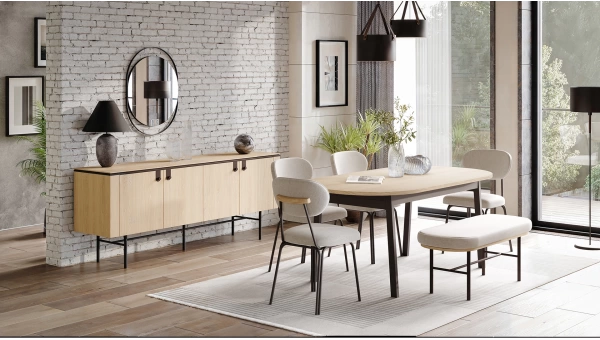
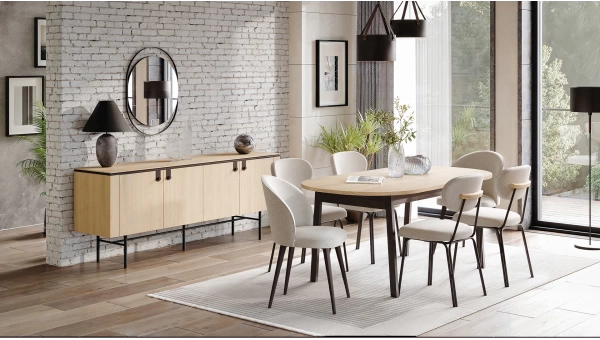
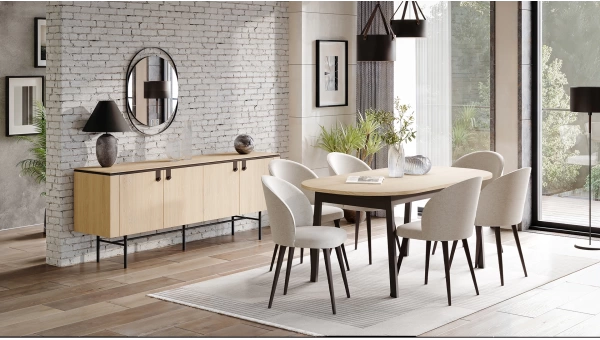
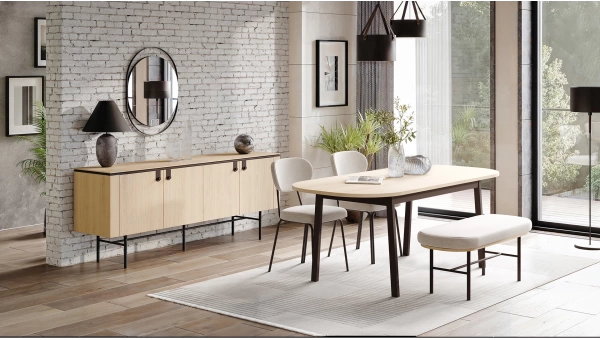
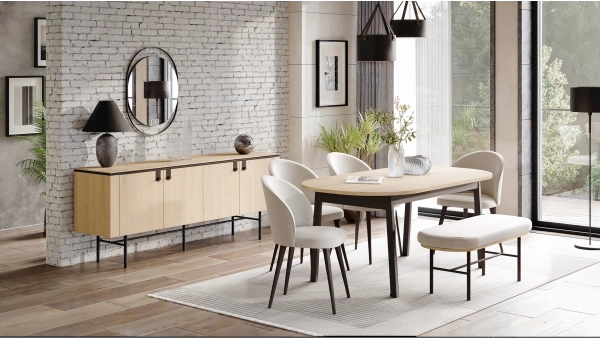
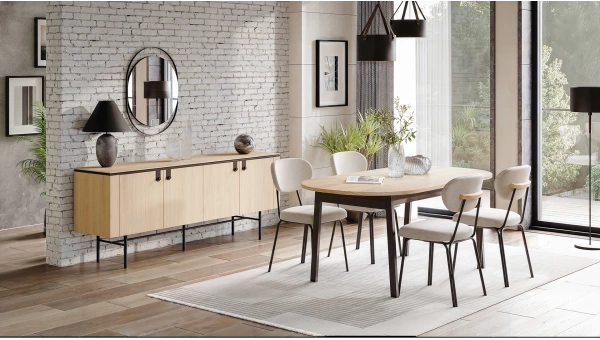
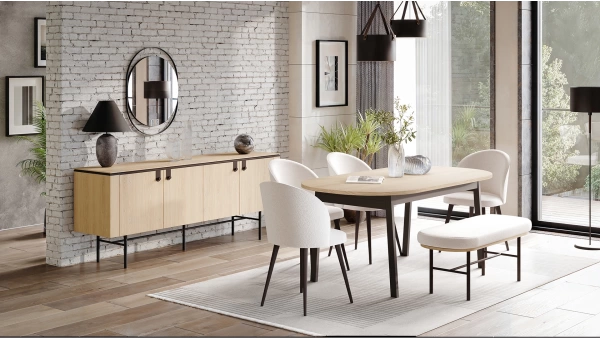
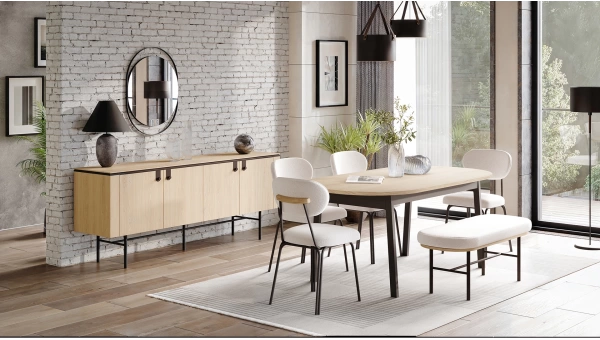
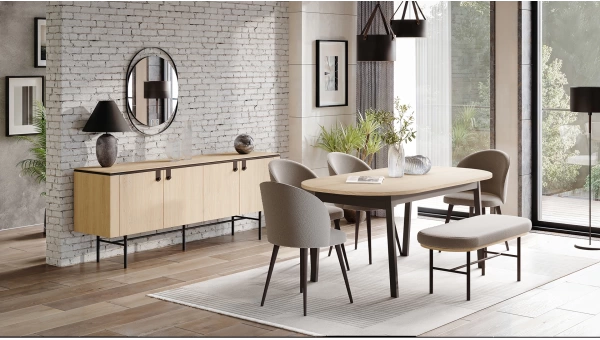
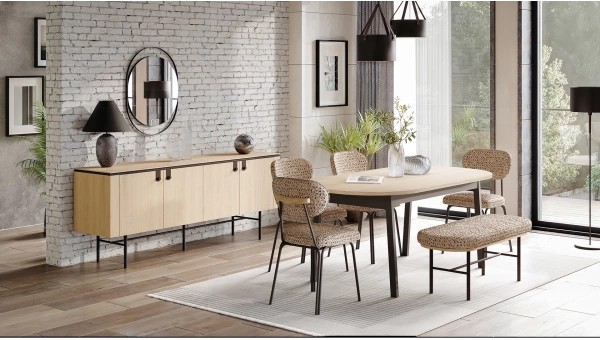
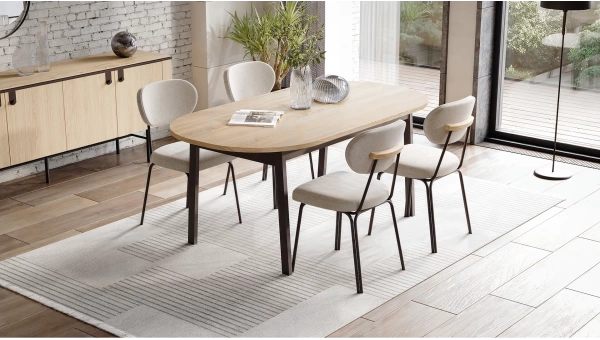
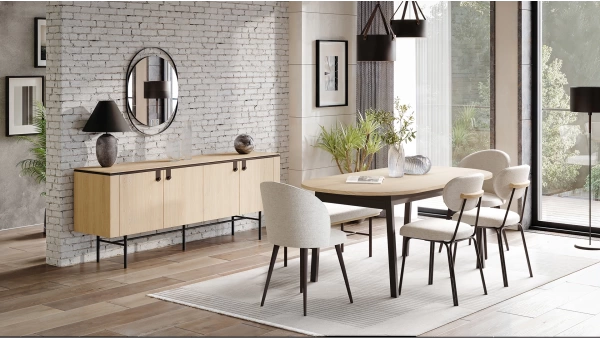
- The dining table should preferably be circular or oval with enough space around it. This facilitates family harmony and communication.
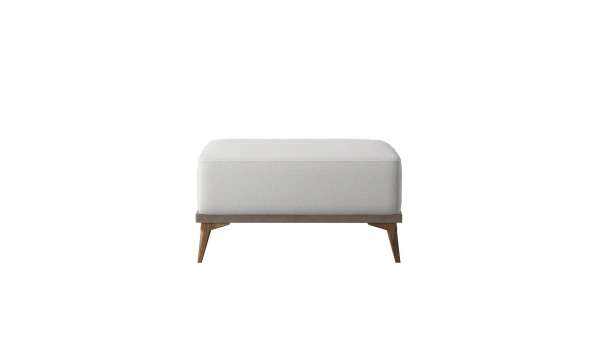
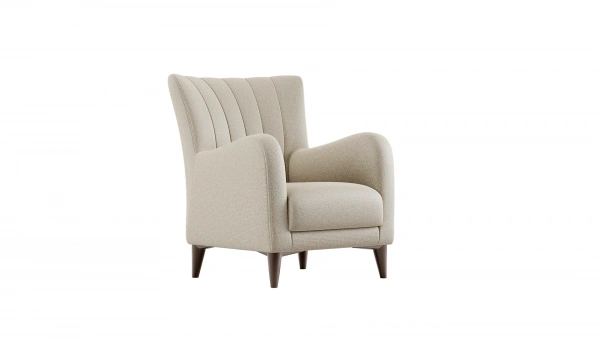
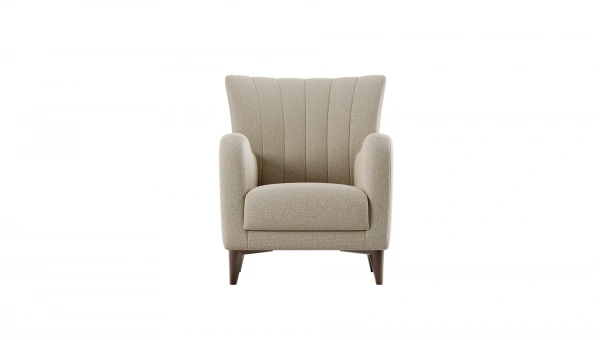
- Instead of furniture with sharp corners, designs with soft lines and rounded corners should be preferred. This allows energy to flow more gently.
How to Create a More Peaceful and Balanced Home with Feng Shui?
To create a peaceful home with Feng Shui, one needs to focus not only on the arrangement of items but also on emotions. This system targets not only physical but also spiritual balance. When harmony, flow, and simplicity are achieved in the living environment, the individual's inner peace is also supported.
As a first step, it is necessary to establish a balance of functionality and aesthetics in every corner of the home. Every item should serve a specific purpose, but not complicate the environment while doing so. Clearing unnecessary items is one of the most effective ways to simplify living space.
Increasing contact with nature also brings peace energy into your home. Live plants, natural stones, water objects, or natural textured fabrics enhance this effect. The selection of plants is also important; round-leaf plants should be preferred over sharp-leafed ones.
Sensory elements such as scent, sound, and light also affect the energy of the house. Aromatherapy diffusers, soft natural sounds, and warm lighting help create a calm atmosphere. These sensory elements are especially important in relaxation areas at the end of the day.
Lastly, personal objects giving identity to your home is also important. Family photos, favorite quotes, or meaningful works of art add an emotional connection to the space while also spreading positive energy.
















 Contact us
 +90 850 800 34 87