When choosing upholstery, curtains, carpets, pillows, or sofa cushions, one of the most confusing issues is the type of fabric. Besides the softness, appearance, and color of the fabric, another important criterion is its durability. Because no matter how beautiful the aesthetics are, a fabric that is not long-lasting can negatively affect both comfort and budget.
At this point, the two most compared options are synthetic and natural fabrics. So which one is more durable? Which is the more appropriate choice in which environment? Let's evaluate together.
The Durable Solution of Modern Technology: Synthetic Fabrics
Synthetic fabrics are made entirely from man-made fibers. Fabric types such as polyester, acrylic, nylon, and microfiber fall into this group. In general, they are quite resistant to wear. Due to their suitability for intense use, they are often preferred for sofa upholstery, dining chairs, or outdoor furniture.
Additionally, synthetic fabrics are more resistant to water and stains. Their non-staining feature is advantageous for families with children or users with pets. Moreover, they generally maintain their colors for a long time, do not fade in sunlight, and do not easily deform.
However, they may be disadvantageous in terms of breathability. Especially in the summer months, they may cause sweating or trap body heat due to their low air permeability. Therefore, it's important to be cautious when choosing products that come into contact with the skin.
Breathable, Nature-Friendly Choice: Natural Fabrics
Natural fabrics are produced from fibers obtained from nature, such as cotton, linen, wool, and silk. Among their biggest advantages are their breathability and skin-friendly structures. These fabrics are primarily preferred in bedroom textiles, curtains, and baby/children's products.
However, when it comes to durability, natural fabrics can be somewhat delicate. Materials like cotton and linen, in particular, may experience problems such as wear, color fading, or shrinkage over time. They are also more sensitive to water and stains, requiring more care and maintenance.
Nevertheless, their eco-friendly nature, naturalness, and aesthetic appeal add a warm and cozy atmosphere to living spaces. They are often chosen for homes decorated in classical or rustic styles.
So Which Fabric is More Durable?
Simply put: Synthetic fabrics generally have an edge over natural fabrics in terms of durability. The main reasons for this include the artificially produced synthetic fibers, which offer higher abrasion resistance, resistance to color fading, and a non-staining surface. Thanks to these characteristics, they can maintain their original form and appearance for many years, even in areas subject to heavy use.
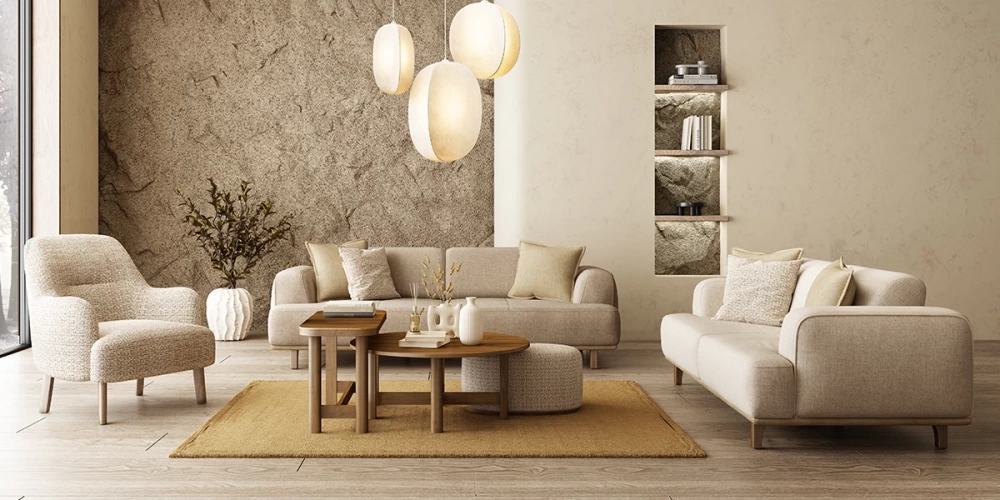
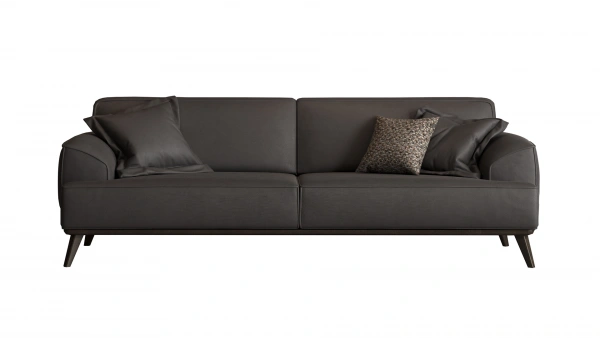
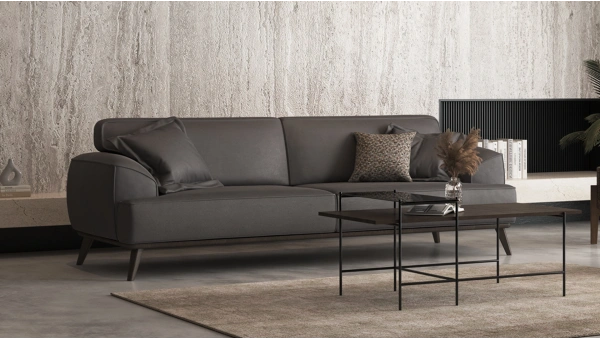
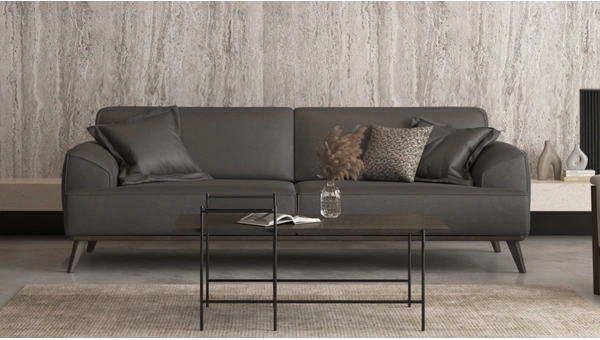
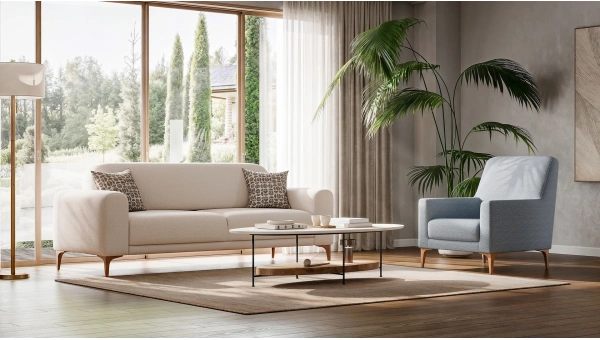
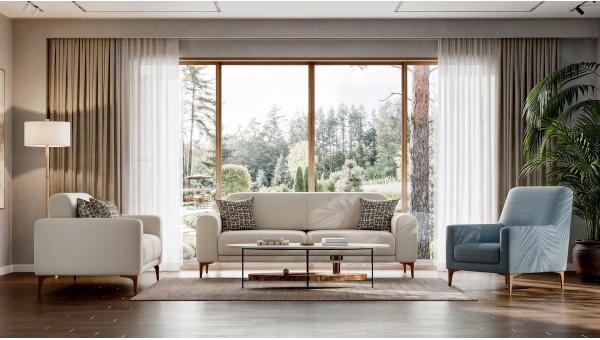
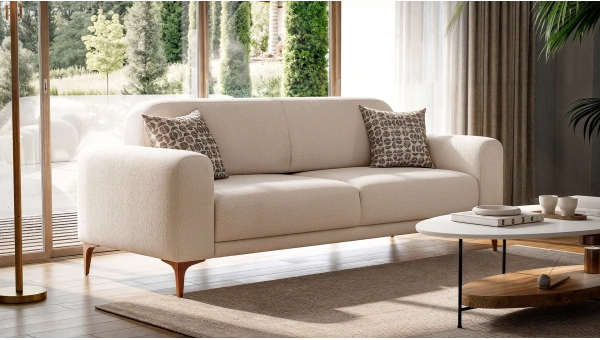
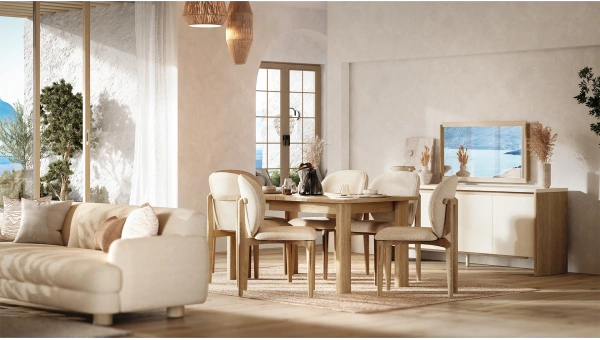
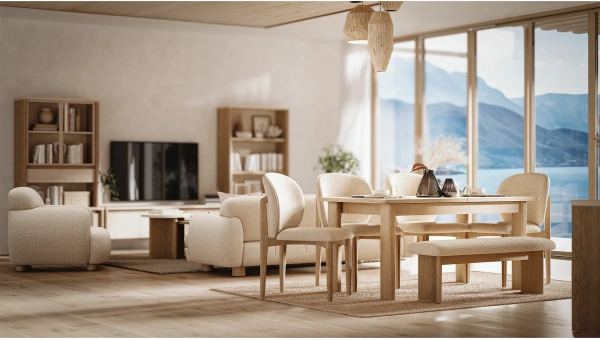
For example, consider a living room set. Sofas used dozens of times a day are subjected to friction, spills, dust, and sunlight. Under these conditions, natural fabrics may undergo deformation over time, whereas a quality synthetic fabric often proves to be much more resistant to such challenging uses.
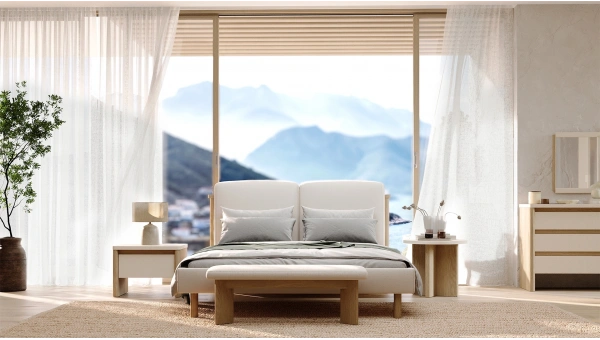
However, this does not mean that natural fabrics are weak or unusable. With the right use and careful maintenance, natural fabrics can provide elegant, comfortable, and healthy alternatives. Especially in areas with direct contact with the skin (such as pillows, bed sheets, headboards, and curtains), the softness, air permeability, and breathability offered by natural fabrics enhance user comfort.
When following the principle of "the right fabric for the right place," both types of fabrics can be successfully used for a long time within their own domains.
Where Should Each Fabric Be Used?
Each type of fabric offers different advantages depending on its intended use and environment. Using the right fabric in the right area directly affects both comfort and the longevity of the furniture. The suggestions below will help you choose the most suitable fabric type for your living spaces.
1. Sofas and Chairs for Frequent Use:
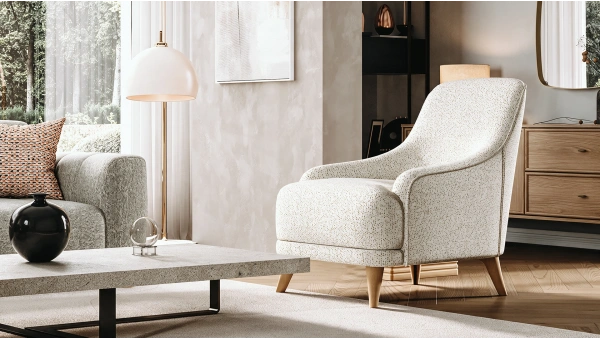
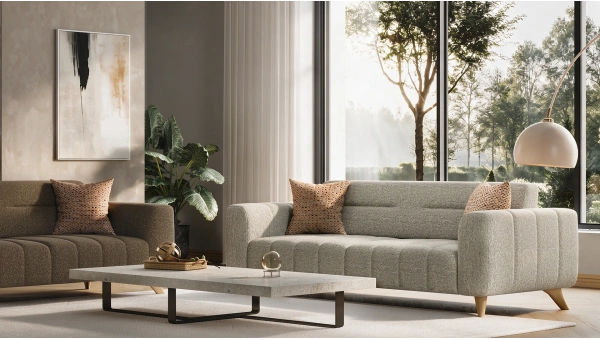
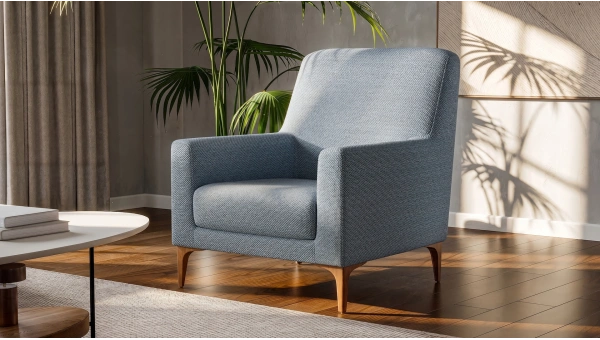
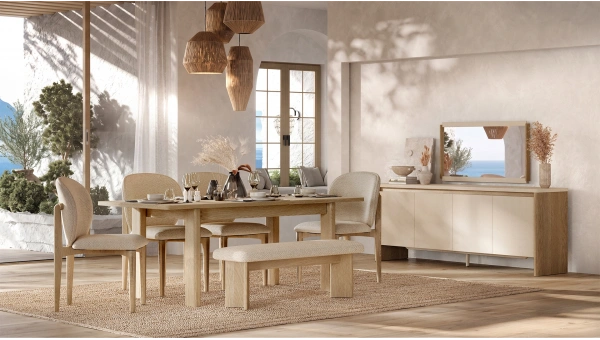
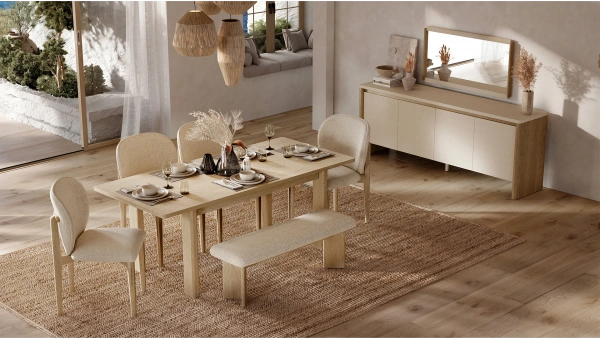
In seating groups or dining chairs frequently used in daily life, fabric durability is crucial. Factors such as constant getting up and sitting down, friction, spills, and cleaning processes can cause fabric wear. Therefore, for such areas, stain-resistant, easy-to-clean synthetic fabrics with high abrasion resistance are much more suitable. Upholstery fabrics with blends of microfiber, polyester, or acrylic meet these needs successfully.
2. Bedroom Textiles and Baby Room Products:
Sleeping areas and baby rooms are living spaces requiring sensitivity. In these areas, where direct contact with the skin occurs, breathable, soft, and chemical-free fabrics should be preferred. Fabrics produced from natural fibers such as cotton, linen, and bamboo are ideal for a healthy sleep environment. These fabrics also do not cause sweating, reduce the risk of allergic reactions, and offer natural air permeability. Especially for babies and small children, organic certified fabrics are recommended.
3. Outdoor Furniture:
Garden, balcony, or terrace furniture is directly exposed to natural conditions such as sunlight, rain, wind, and dust. Therefore, fabrics used in such areas need to be resistant to both water and UV rays. Synthetic fabrics specially produced for outdoor conditions (such as olefin, acrylic, or outdoor polyester) are both aesthetically pleasing and reassuring in terms of durability.
4. Decorative Pillows and Throws:
In decorative items like pillows and throws that add warmth and character to living spaces, more liberal choices can be made. Since these products are generally not used frequently and can be easily changed, the aesthetic, soft, and textured nature of natural fabrics provides a significant advantage in this area. Creating a warm and cozy atmosphere with fabrics such as linen, cotton, and viscose is possible. Natural fabrics also add depth to the decor as they more distinctly reflect color transitions and textural details.
Each type of fabric has its own unique advantages, and the important thing is to use these features correctly and in the right way. If you are looking for a solution that is both aesthetic and long-lasting, you should analyze your living spaces and make your fabric selection accordingly.























 Contact us
 +90 850 800 34 87