As one of the small yet effective pieces of home decor, a nightstand plays both a functional and aesthetic role, especially in bedrooms. Although often overlooked, it actually makes a significant contribution to the organization and ease of use of a room. Moreover, if chosen correctly, it can become an eye-catching decorative complement.
So what exactly is a nightstand? What is its purpose? And what should you pay attention to when buying a nightstand? Let's explore all the details together.
What is a Nightstand?
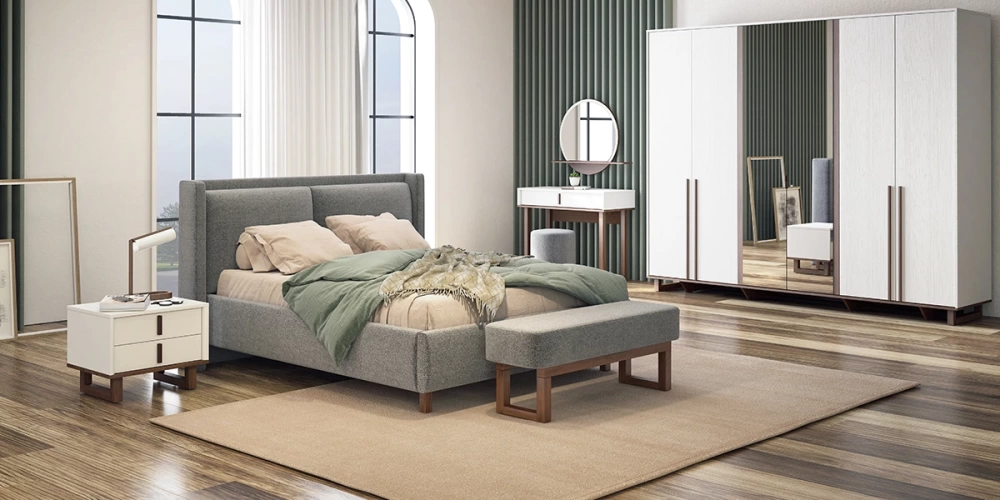
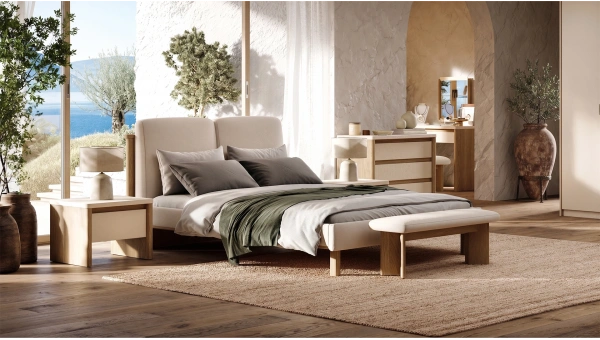
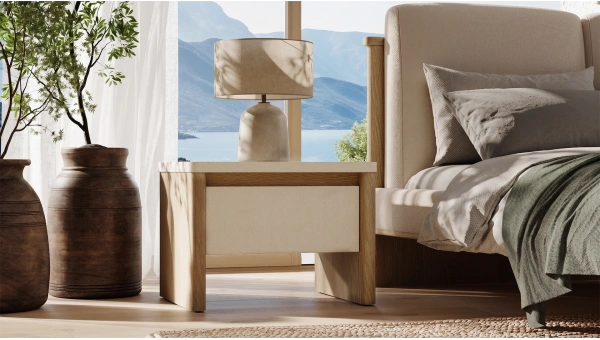
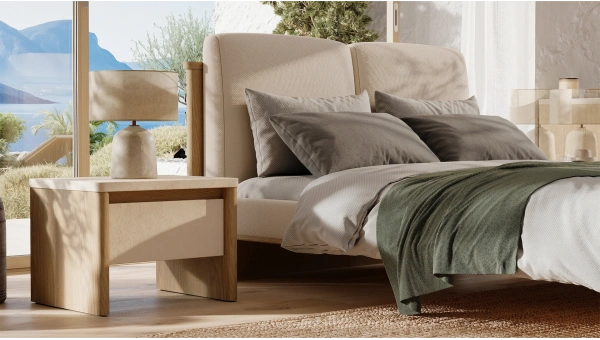
A nightstand is a small cabinet, often placed next to the bed in bedrooms, which may have drawers or doors. Functionally, it keeps frequently used items such as a night lamp, books, glasses, or a water glass within reach. With its drawers, it provides a compact storage space to neatly store personal items.
Nightstands are not exclusive to bedrooms; they can also be used as small side tables or mini storage units in hallways, living room corners, or study rooms. This versatility makes it one of the joker pieces of decoration.
What to Consider When Choosing a Nightstand
When buying a nightstand, you should not only consider its appearance but also make a choice based on your usage habits and the needs of your room. Here are the main criteria you should pay attention to when choosing the right nightstand:
1. Size and Height Compatibility
The size of the nightstand should be suitable for the overall dimensions of your room and especially the height of your bed. Models that are aligned with or slightly higher than the bed not only provide a visually balanced look but also offer practical use. With very low nightstands, you may have to bend down to reach your items, which reduces ease of use.
Moreover, very large nightstands may look bulky in small rooms. Compact yet functional models are more ideal for small spaces.
2. Number of Drawers Based on Storage Needs
Consider how many drawers you need when buying a nightstand. If you store many small items like socks, books, chargers, and medicine, a model with two or three drawers may be more practical for you. If you prefer a simpler living space, models with a single drawer or open shelves can also be preferred.
The organization of the drawer interiors is also important. Some nightstands come with hidden compartments or divider panels, providing extra organization.
3. Material Quality and Durability
A nightstand is a piece of furniture that is used frequently, so the quality of the material is important. You can find nightstands made from materials like wood, MDF, or particleboard. Real wooden models are long-lasting and offer natural elegance. However, if you are looking for a more economical and lightweight solution, quality MDF models can also be preferred.
Additionally, the robustness of the drawer slides, the quality of the hinges, and such details also ensure satisfaction in the long run.
4. Style and Color Compatibility
A nightstand should be in harmony with the overall decoration style of the bedroom. If your bedroom is modern, nightstands with simple lines, plain colors, and minimal designs will be more suitable. For classic decoration, models with carvings, metal handles, or vintage looks can be preferred.
When choosing a color, consider factors like the headboard, wall color, and carpet. A dark-colored nightstand can look very stylish in a light-colored room if you want to create contrast.
5. Functionality: Should Be Stylish and Functional
Some nightstand models come not only with drawers but also with additional functionalities like USB ports, power sockets, or wireless charging areas. If you want to integrate technology into your room, such innovative solutions will make your life easier.
The width of the top surface is also important. A top area where you can easily place items like a lamp, alarm clock, book, and phone increases the functionality of the nightstand.
6. Ease of Cleaning and Maintenance
Opt for materials and designs that are easy to clean when choosing a nightstand. Although shiny surfaces, glass details, or designs with indentations and protrusions may look stylish, they can be challenging to clean. Surfaces that do not collect dust and can be wiped with a damp cloth are more practical.
For wooden models, ensure the surface is varnished or lacquered. This offers advantages in terms of both aesthetics and cleanliness.
7. Budget and Price-Performance Balance
Nightstands can cater to every budget. However, it's important to assess quality along with price. Although cheaper models may seem attractive at first, the drawer slides may degrade over time, or surface coatings may peel off. Therefore, choosing a durable and long-lasting model may be more economical in the long run.
If you want to get a quality product at a reasonable price, following seasonal discounts or promotions is a good idea.
Big Impact of a Small Nightstand
Although it may seem like a small piece of furniture, a well-chosen nightstand significantly influences both the comfort and aesthetics of a bedroom. In the end, this small piece of furniture standing by your bedside can make your living space more organized, functional, and enjoyable.
When choosing a nightstand, selecting a model that suits your needs, room structure, and personal style leads to a result you'll be satisfied with for many years.
Frequently Asked Questions About Nightstands (FAQs)
Below are frequently asked questions about nightstands.
1. What is the difference between a nightstand and a side table?
A nightstand is a piece of furniture typically used in bedrooms, featuring drawers and storage space. A side table, on the other hand, is commonly used in living rooms or seating areas, usually with an open surface and no storage function. Nightstands are designed more for organizing personal items in terms of functionality.
2. What nightstand models are suitable for small bedrooms?
For narrow spaces, nightstands with a compact design that do not take up much space, yet have effectively used drawer capacity should be chosen. Models with open shelves or wall-mounted ones provide practical solutions for small rooms.
3. What material is more durable for nightstands?
Solid wood nightstands are the most durable options. MDF or particleboard nightstands are more economical and can be used for a long time with proper care. Along with material quality, the workmanship and robustness of the accessories used are also important.
4. Are nightstands used only in bedrooms?
No. Nightstands are versatile pieces of furniture. They can be used in hallways for items like keys and wallets, in workspaces for small office supplies, or decoratively in living room corners.
5. Is the number of drawers or their width more important when choosing nightstands?
This entirely depends on your usage habits. Small yet deep drawers are suitable for organizing larger items. A large number of drawers provide categorical organization for small items. Ideally, choose a model that offers a balance of both.




























 Contact us
 +90 850 800 34 87