The choice of style in home decoration directly affects the overall atmosphere of living spaces. In furniture selection, "modern" and "classic" styles represent two opposite poles. Each style has its unique stance, aesthetic understanding, and user base. So, what are the differences between these two decoration approaches? Which style fits better in which living area? Or is it possible to use both together? Here are the main differences between modern and classic furniture styles and the points to consider:
How is Modern Furniture Style Defined?
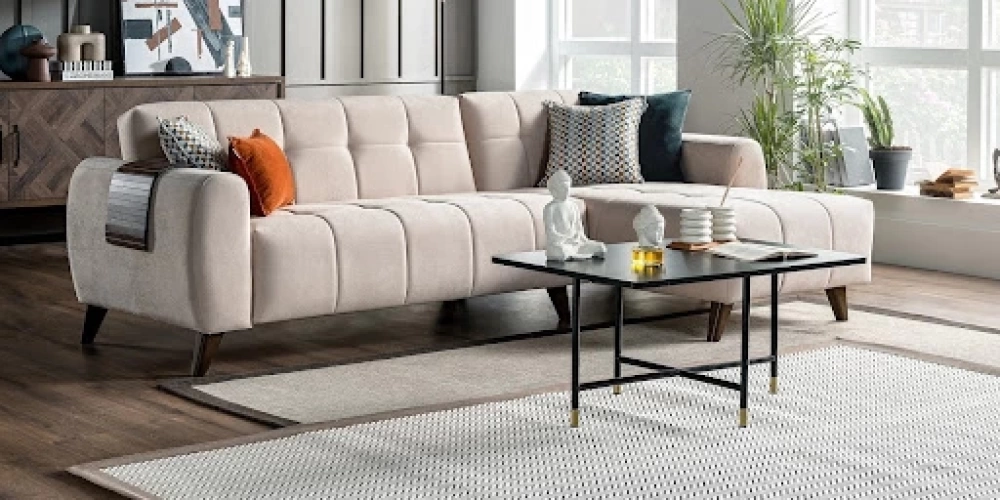
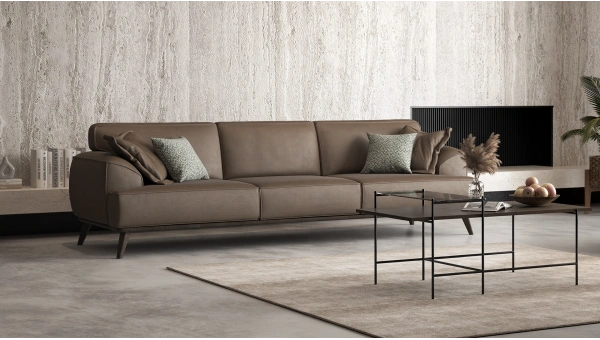
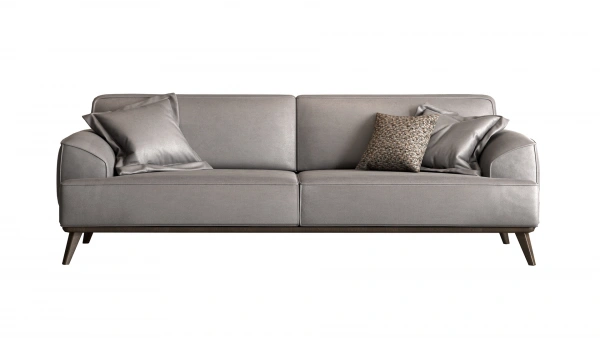
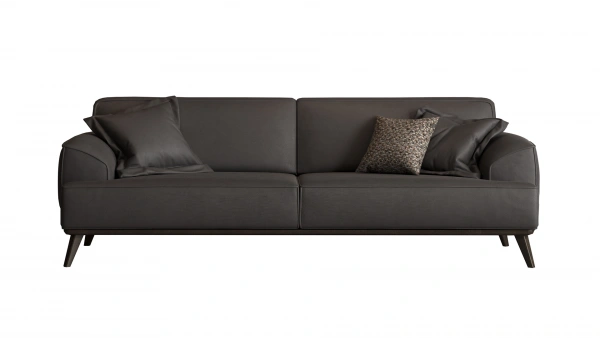
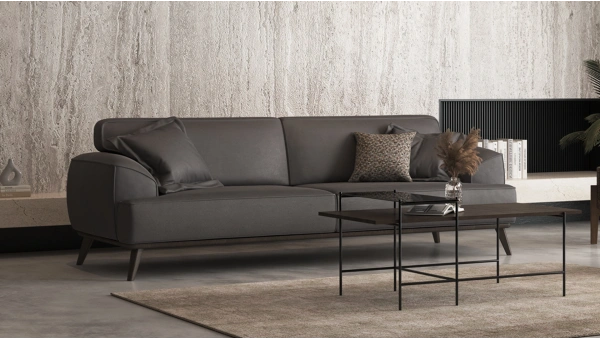
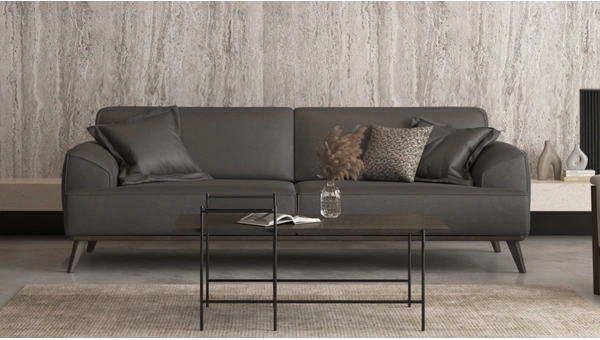
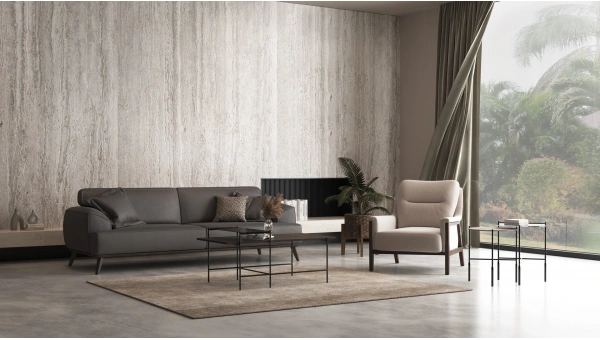
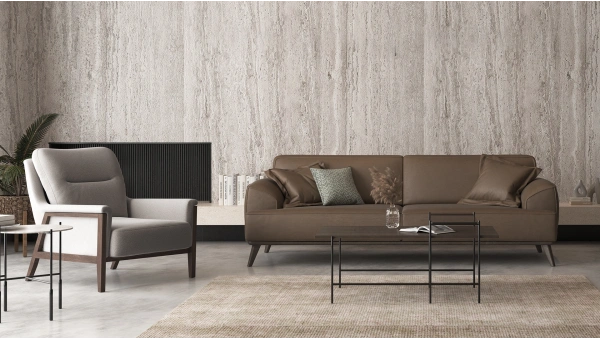
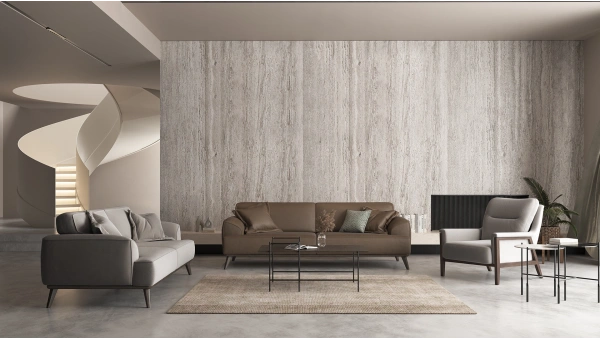
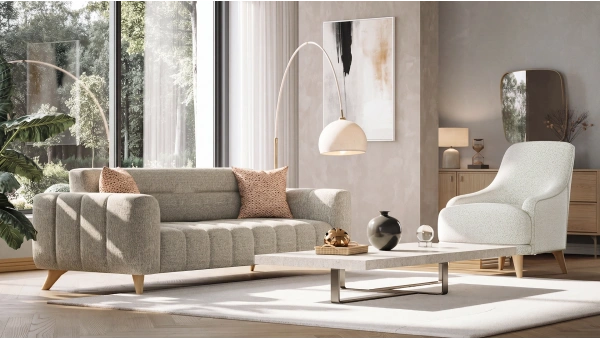
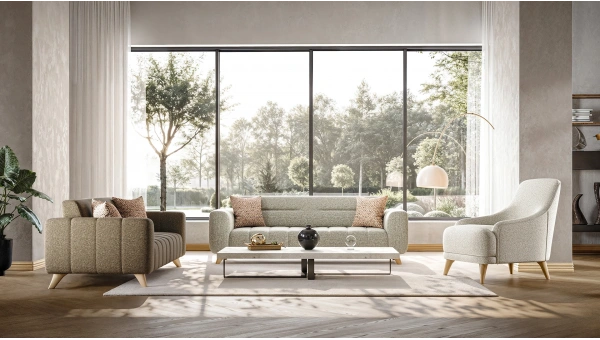
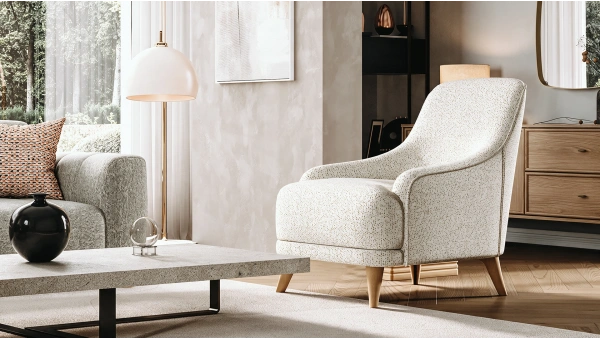
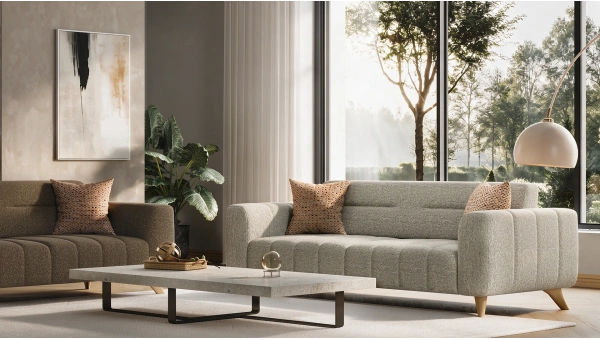
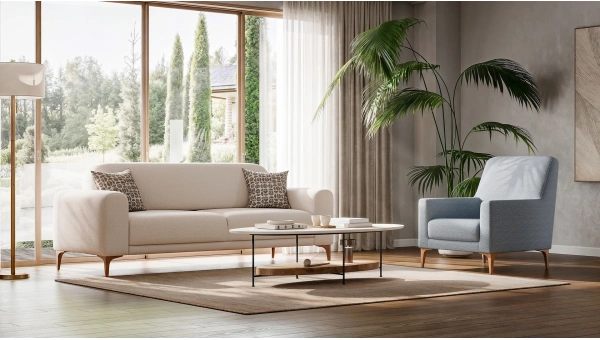
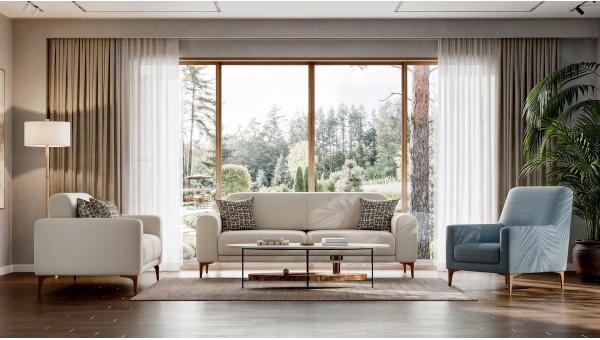
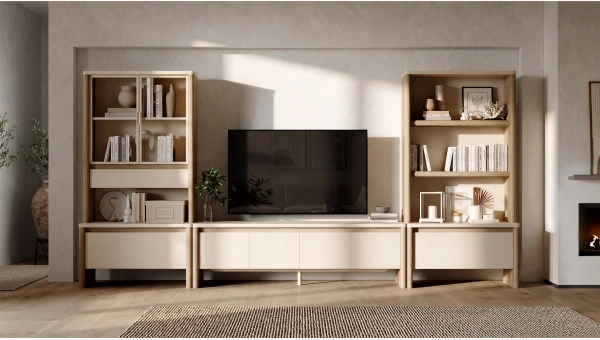
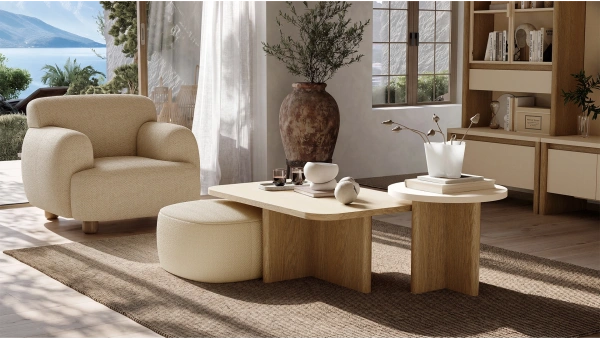
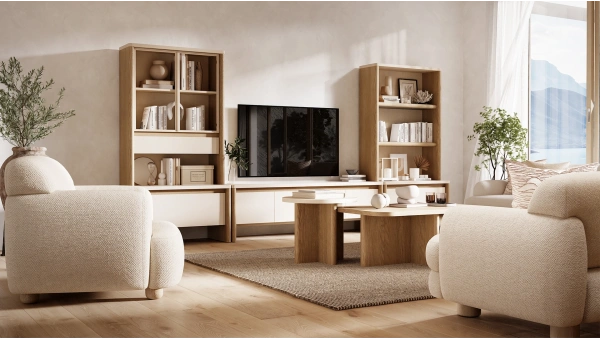
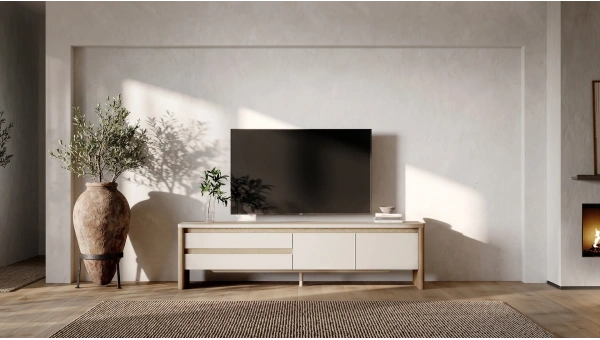
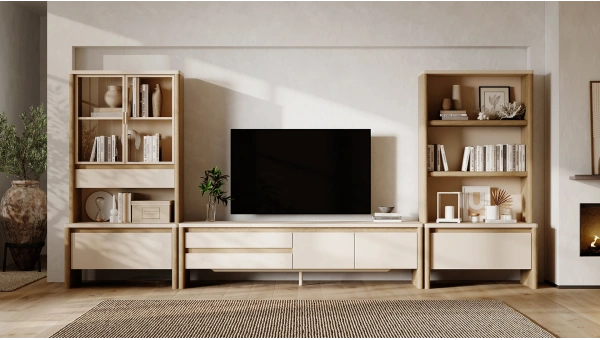
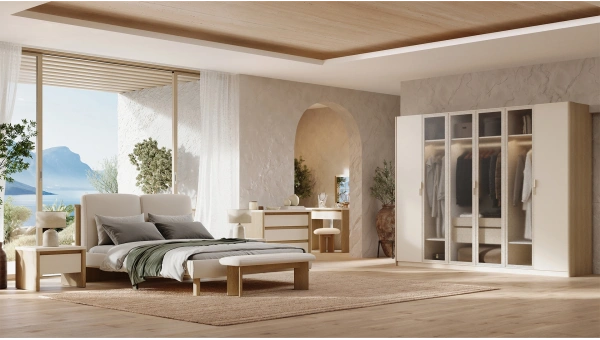
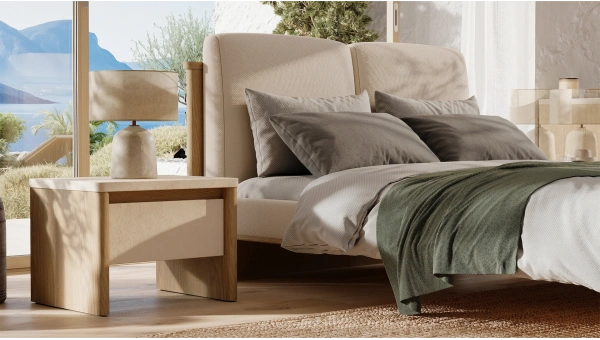
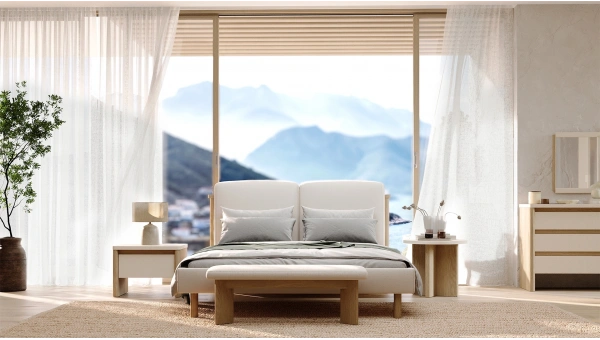
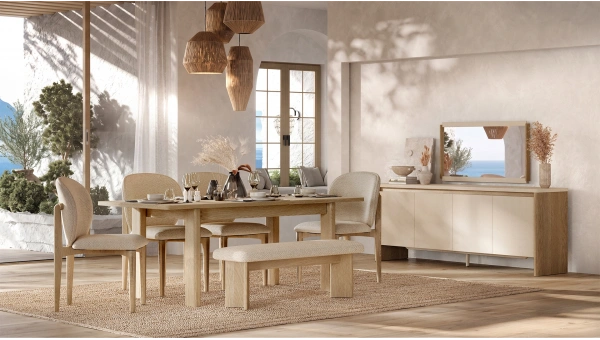
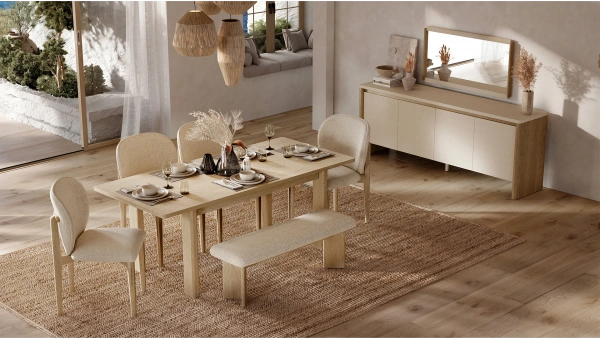
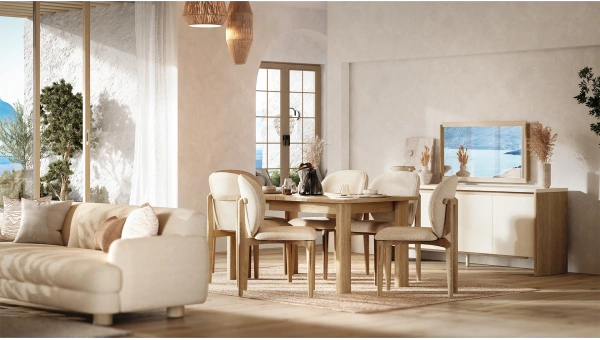
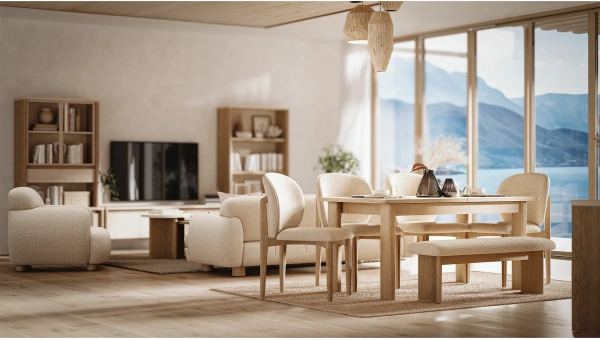
The modern furniture style is based on a minimalist and functional understanding that emerged in the mid-20th century. In this style, simplicity, clean lines, and functionality are at the forefront. Furniture usually has geometric forms, and unnecessary decorations are avoided. Color palettes mostly consist of neutral and pastel tones. The materials used in modern
sofa sets are also noteworthy: materials such as metal, glass, lacquered surfaces, and natural wood are often preferred. Especially in open-plan living spaces, the modern furniture style provides a spacious and balanced appearance.
What are the Distinctive Features of Classic Furniture Style?
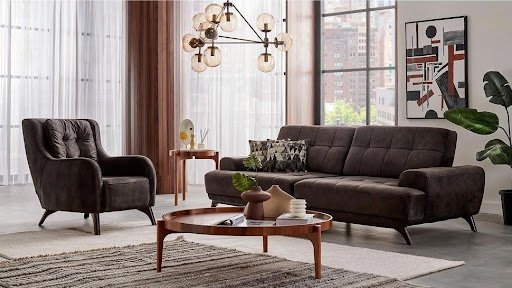
The classic furniture style stands out with its timeless aesthetic perspective and detailed craftsmanship. It has a luxurious and traditional appearance. Here are the distinctive features of the classic style:
- Carved details and reliefs: Decorations made by hand in areas such as legs, armrests, or headboards are common.
- Use of rich fabrics: Luxurious and heavy-textured fabrics such as velvet, brocade, and chenille are preferred.
- Gold, silver, and copper tones: Shiny surface details add magnificence to classic furniture.
- Curved and ostentatious forms: Rounded lines and voluminous structures are characteristic aspects of the style.
- Dark woods and glossy finish: Heavy and dark tones such as walnut and mahogany are the fundamental elements of the classic style.
- Symmetry and cohesion: Balanced and symmetrical accessories are generally preferred in the arrangement of classic furniture.
The Main Differences Between Modern and Classic Furniture
There are distinct aesthetic, functional, and usage differences between modern and classic furniture. While modern furniture is defined by simple and straight lines, classic furniture features detailed and ornate forms. These differences are noticeable in many areas, from material choices to color palettes. Modern furniture is usually preferred in small or open-plan homes, whereas classic furniture showcases itself better in larger, high-ceilinged spaces. The differences in style are closely related not only to aesthetics but also to user habits and lifestyles. While classic furniture carries a sense of tradition, modern furniture focuses on simplicity and functionality.
Which Style is More Suitable for Which Living Areas?
Each furniture style offers advantages according to different architectural structures and lifestyles. Here are the living areas where each style fits best:
Modern furniture,
- In homes with small square meters,
- In open-plan kitchen-living rooms,
- In loft apartments,
Yields effective results for individuals who want to make daily life more practical.
Classic furniture,
- In high-ceilinged historical buildings,
- In large living rooms,
- In homes with architectural elements such as fireplaces and large windows,
Is more suitable for users who want furniture investments that gain value over time.
While making a choice, considering not only aesthetics but also the structure of your living space and your usage habits will give the most accurate result.
Is it Possible to Use Modern and Classic Styles Together?
Thanks to the "eclectic style" where traditional meets contemporary, modern and classic furniture can be used together in the same space in a balanced way. The key is to ensure these transitions with soft colors, balancing textures, and suitable accessories. For example, complementing a modern sofa set with a classic chandelier or pairing a simple modern dining table with carved classic chairs can offer a very chic appearance. However, when mixing, care must be taken to ensure proportion, so both styles balance the space. Thus, the space doesn’t become too modern or too classic.























 Contact us
 +90 850 800 34 87