When choosing a new rug for your home, it's natural to focus on its color, pattern, or texture… However, there is a detail that often goes unnoticed: determining the correct rug size.
No matter how stylish a rug is chosen, if its size is not compatible with the space, both the decorative balance is disturbed, and the comfort of use decreases.
So how to determine the ideal size when choosing a rug? We have gathered everything you need to know in this guide to decide on the right rug size according to the size of the room, the placement of the furniture, and the purpose of use.
What Should Be the Rug Size for the Living Room?
The living room is one of the most important areas where rug selection matters. This area is often the most frequently used and most furnished part of the house. Therefore, the size of the rug is of great importance for both visual balance and comfort.
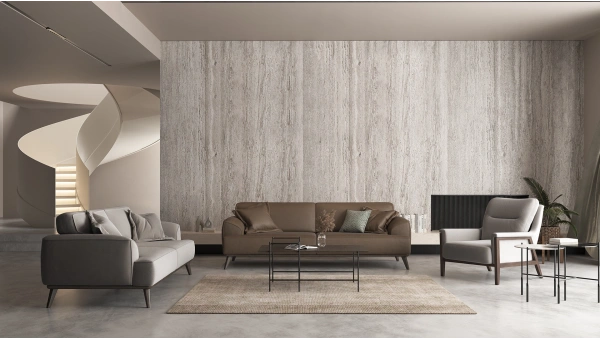
Option 1: All furniture on the rug
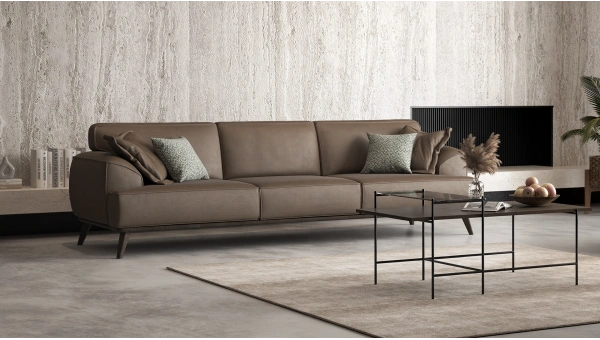
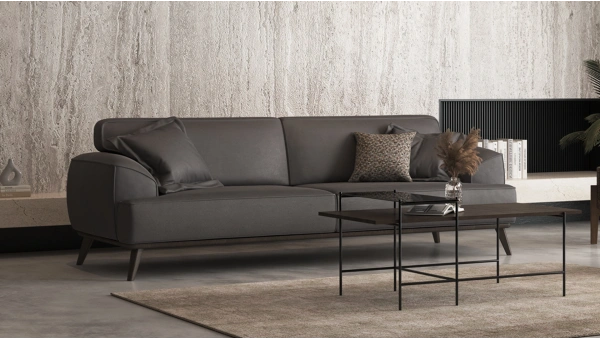
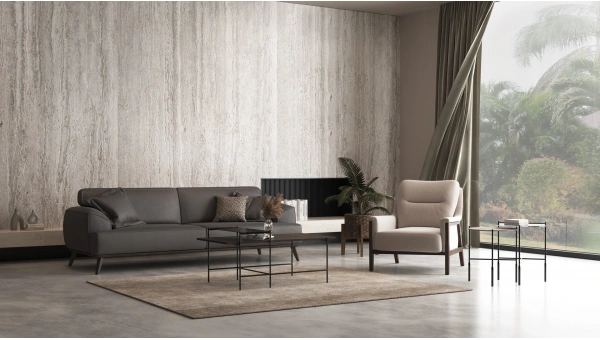
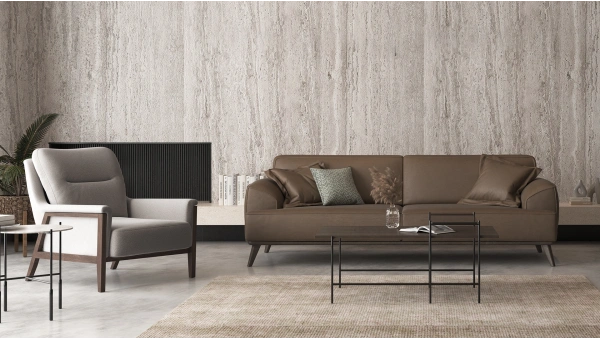
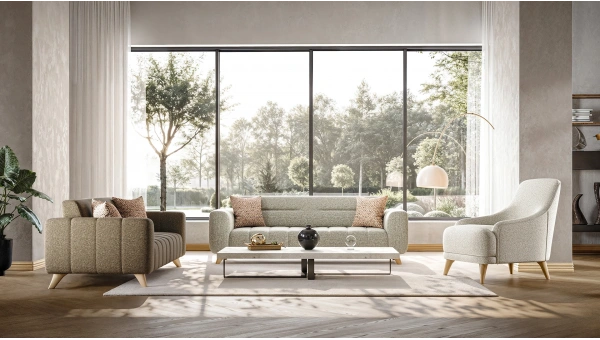
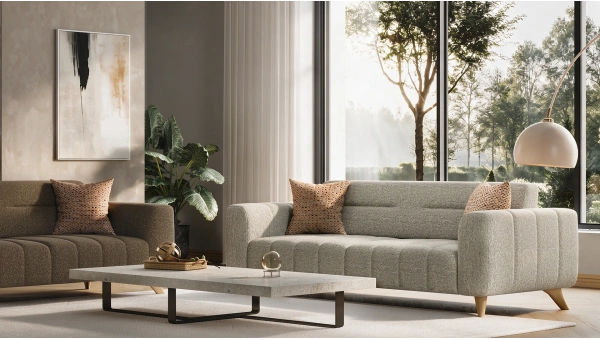
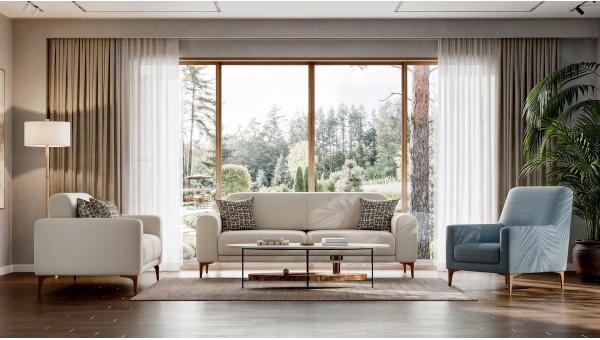
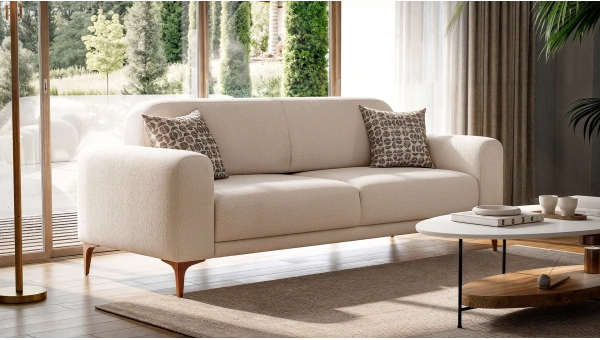
The most ideal and stylish look is achieved when the rug encompasses the entire seating group. In this arrangement, the rug extends under the sofas and coffee table. For the room to appear more balanced and create a spacious atmosphere, it is recommended to leave at least 20-30 cm of space between the wall and the rug.
Option 2: Only the front legs of the sofas on the rug
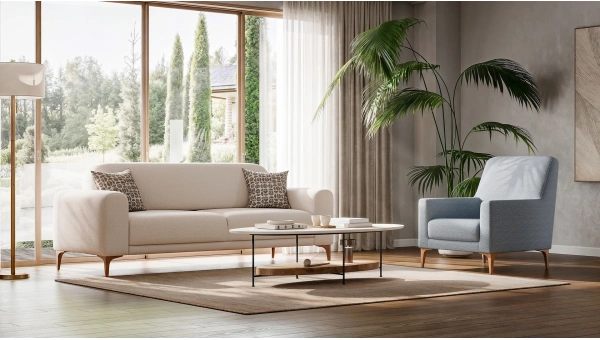
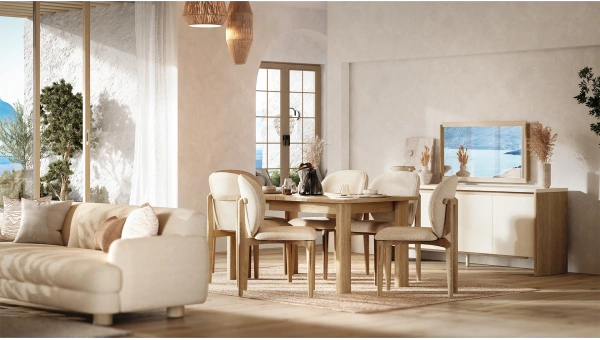
In this arrangement, only the front legs of the sofas are on the rug. It is quite practical for medium-sized living rooms. It adds depth to the space and offers a more economical solution. It is a successful alternative in terms of balance and visual appeal.
Option 3: Rug only under the coffee table
In smaller living rooms or narrow spaces, this arrangement involves placing the rug only under the coffee table. This style of use creates a minimalist look. However, since the coverage area of the rug is limited, it may not add enough warmth to the space.
What Should Be the Rug Size for the Dining Room?
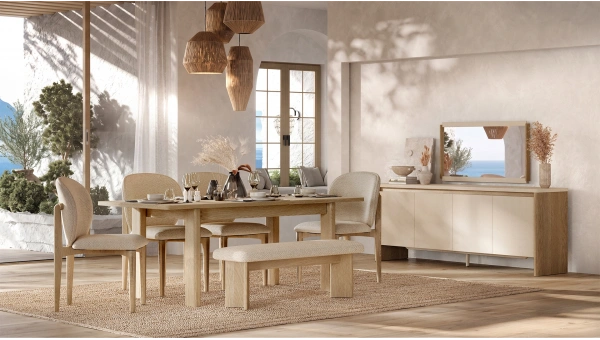
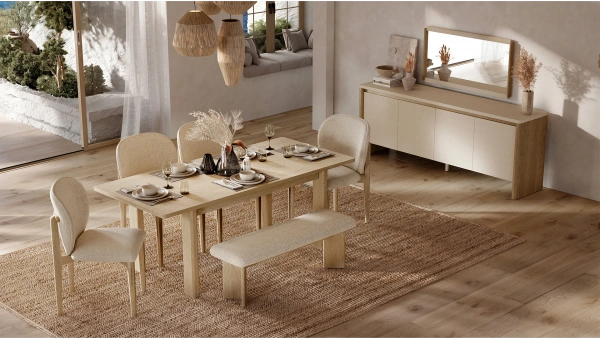
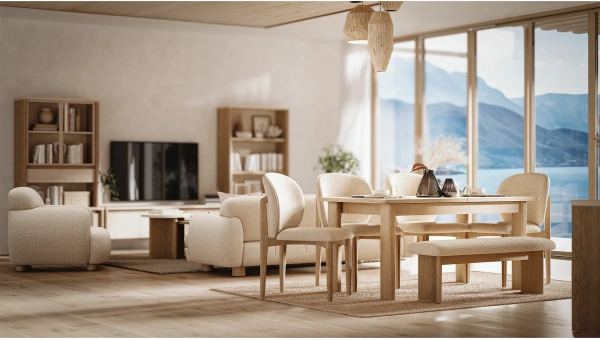
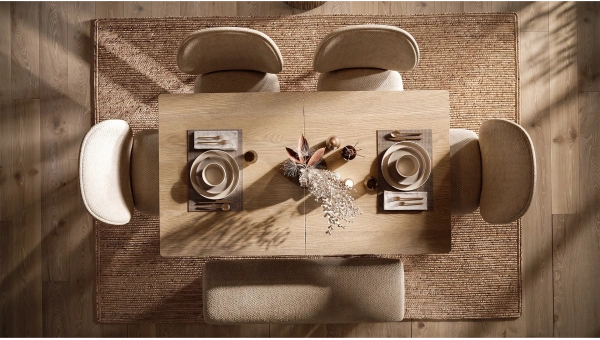
When selecting a rug for dining areas, not only the table but also the movement area of the chairs should be considered. The size of the rug is very important in terms of functionality.
General rule: The rug should be at least 60-70 cm wider than each side of the dining table. This ensures that when the chairs are pulled back, they remain on the rug, avoiding imbalance on the floor.
Size examples:
- Ideal rug size for a 6-person rectangular table: 200x300 cm
- Ideal rug size for an 8-person table: 250x350 cm
These dimensions provide both comfortable use and a balanced appearance in the dining room.
What Should Be the Rug Size for the Bedroom?
Rug selection in the bedroom is important for aesthetics and comfort. Starting the day by stepping onto a soft surface enhances the warmth and tranquility of the space.
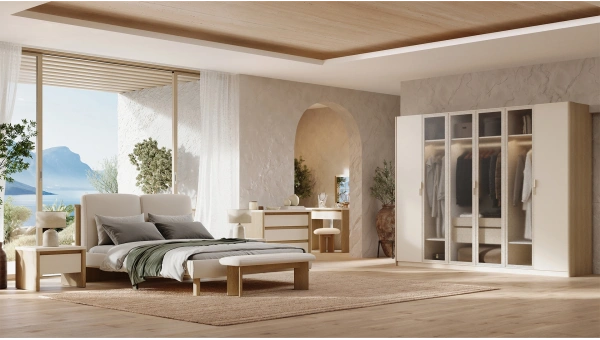
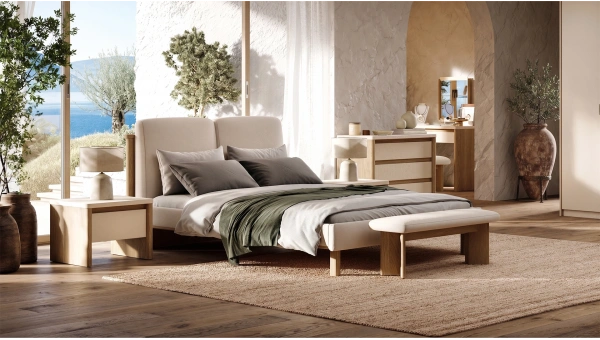
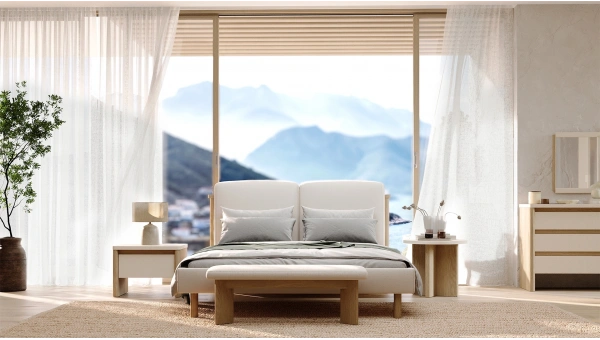
If preferring a large rug: The rug is laid under the bed and should extend at least 50-60 cm around it. This provides visual integrity and enhances the comfort of use. For double beds, ideal rug dimensions are typically 200x290 cm or 240x340 cm.
Alternatively: Three small rugs placed on either side and at the foot of the bed can also be preferred. This solution not only saves space in small bedrooms but also prevents compromising on the sense of warmth. The recommended size for such rugs is around 80x150 cm.
How Should the Rug Size Be for Hallways and Entrances?
Rug selection for narrow and long passage areas should be in forms that conform to the dimensions of the area. In such spaces, long and narrow rugs known as "runners" are the ideal choice.
Ideal ratio: The rug should be about 10 cm narrower than the width of the corridor. This means leaving approximately 5 cm of space on either side, creating a balanced look in the space. Furthermore, choosing non-slip models for safety against sliding and friction is important.
How to Measure Rug Size?
Measure the room
Start by taking the width and length measurements of your room.
This is basic information for assessing whether the rug is proportionate to the area.
Use a tape measure or a measuring tape to precisely determine the actual dimensions of the area.
Review the furniture layout
Will you place the rug under the furniture or around it?
For example, will the entire sofa set be on the rug, or will only the front legs be on it?
Making this decision plays a critical role in determining the rug size.
Don’t forget the spacing
Ensure there is a minimum of 20-30 cm of space between the wall and the rug.
If the rug edges are too close to the wall, it prevents the room from breathing.
Additionally, this balance is necessary for the rug to appear purposefully placed rather than “settled” on the floor.
Visualize the rug
Before purchasing, you can use a simple method to visualize the area the rug will cover:
Mark the area temporarily using newspapers, cardboard pieces, or a string.
This way, you can see how the rug will fit in the room and make a more accurate decision regarding size.
Common Mistakes in Selecting Rug Size
Selecting a rug that is too small
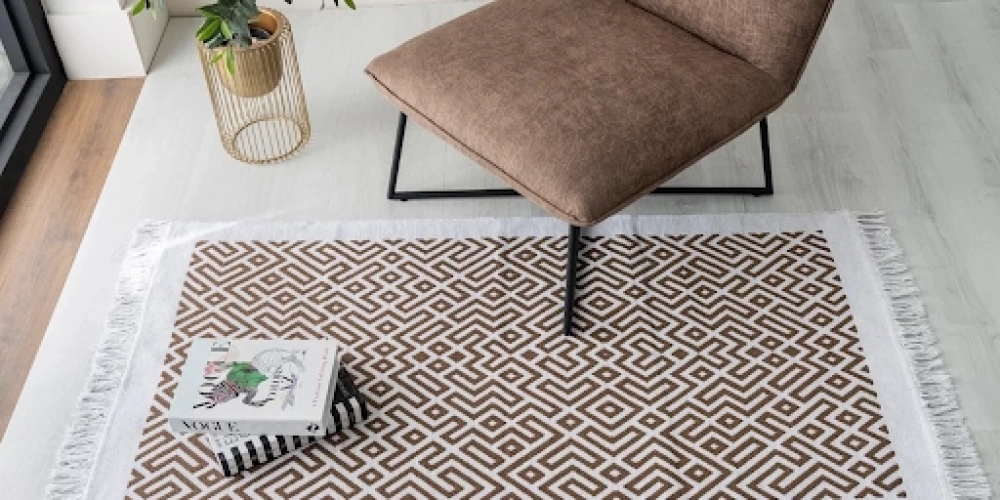
This is one of the most common mistakes. Small rugs that appear “lost” in the middle of the room disrupt the unity of the space and make it appear narrower than it is.
Small rugs that cannot provide cohesion with furniture undermine the balance of the decoration.
Furniture completely outside the rug
If no large pieces like sofas or tables touch the rug, the rug appears as an “independent” piece in the room.
This situation creates disconnection in the space. It is suggested that at least the front legs of the furniture should be on the rug.
Choosing rugs not suitable for the shape of the room
Not every rug fits every area. Placing a round rug in a rectangular room can weaken the architectural coherence of the room.
Similarly, laying a small square rug in a large room creates visual imbalance. The rug must be compatible with the shape of the room.























 Contact us
 +90 850 800 34 87