The dining room is not only a place where meals are eaten; it is also the meeting point of family members, guests, and memories. Releasing the day's fatigue, setting long tables accompanied by pleasant conversations, or hosting special events... All of these require the dining room to be designed both comfortably and aesthetically.
In modern lifestyles, it is no longer enough for furniture to just look good; ergonomic use, proper lighting, acoustic balance, and personal touches are as important as style. So, how can we combine functionality and style in the dining room?
In this article, we are sharing all the details that need to be considered in dining room design with you. From color and texture harmony to furniture selection, style suggestions to personalization tips, we will offer ideas that will inspire you under many headings.
Let's explore together to make your living space more stylish, more comfortable, and reflective of you!
How to Create a Comfortable Dining Area?
The foundation of creating a comfortable dining area lies in the right choice of furniture and layout plan. The height of the table, chair ergonomics, and the circulation area around the table should be considered carefully. Sufficient space should be left for each seated person, chairs should easily slide up to the table, and there should be no discomfort even during extended sittings. Additionally, the density of furniture should be kept at an ideal level to prevent the space from looking too crowded.
Capture the Ambiance with Lighting
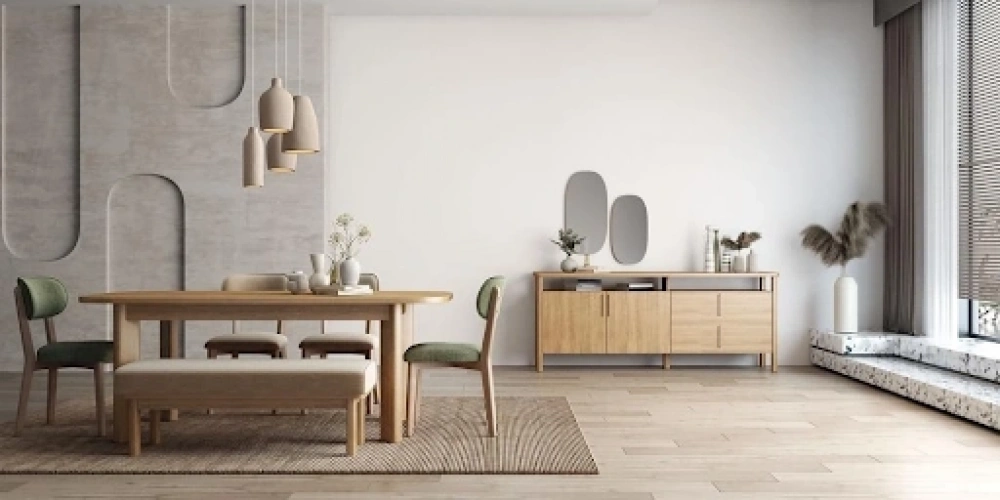
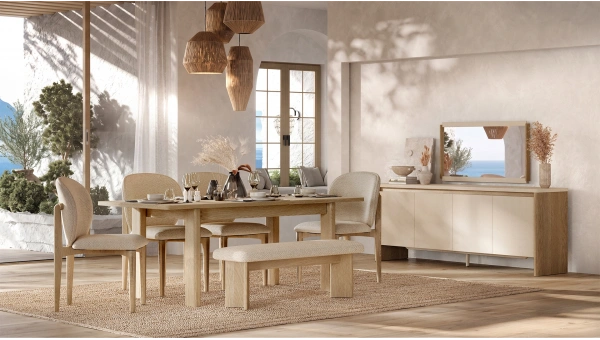
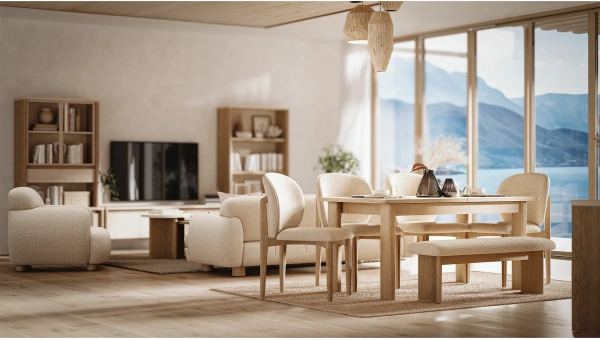
Correct lighting can completely change the atmosphere of the dining room. Pendant lamps over the table provide focal light, highlighting the center of the meal. The tone of the light should be soft and warm; overly harsh or cold lights add chilliness rather than intimacy to the environment. Adjustable lights or dimmer switches make it possible to create different ambiances at different times.
Complete the Elegance with Wall Decoration
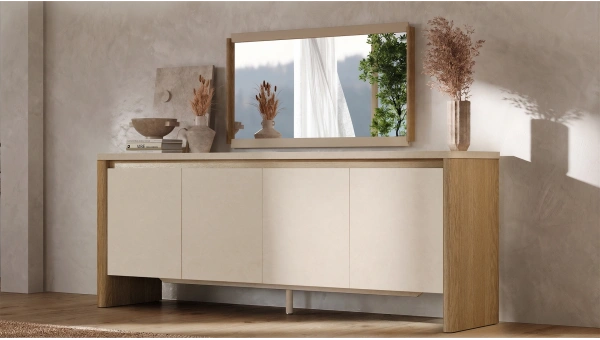
In the dining room, if the walls are left bare, it can cause the area to look cold. Elements like paintings, frames, large mirrors, or decorative panels add depth and character to the space. The colors and style of the selected visuals should be compatible with the overall decoration of the room; they should neither be too complex nor overly plain.
Functional and Stylish Furniture Selection
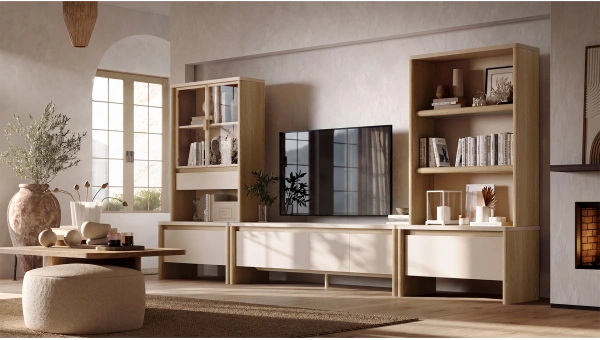
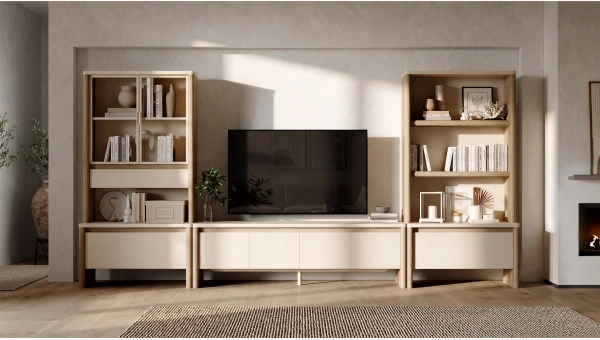
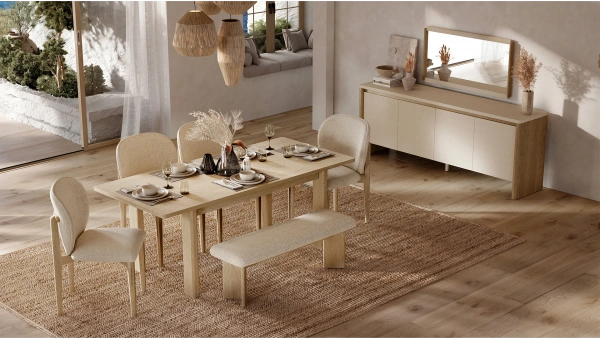
Aside from the dining table and chairs, complementary furniture like consoles, sideboards, or display cabinets provide both aesthetic and functional solutions. They create storage space while also allowing decorative accessories to be displayed. In furniture selection, paying attention to form and details is as important as functionality for complementing the overall appearance of the dining room.
The Effect of Natural Light and Spaciousness
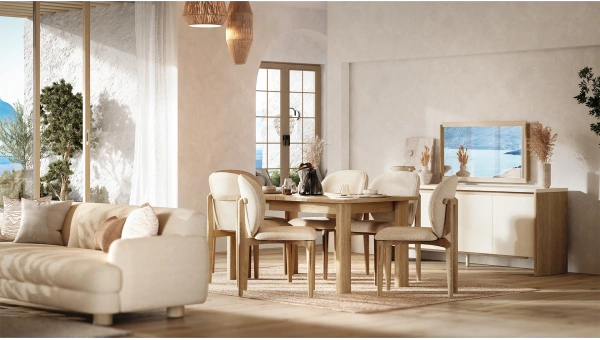
Benefiting from daylight in the dining room adds freshness and vitality to the space. If possible, the table should be placed near a window; light fabrics that allow daylight to penetrate should be preferred over thick curtains. Light-colored walls, reflective surfaces, and simple decorative elements increase spaciousness and make the area appear larger than it is.
Minimalist or Classic? Dining Room Setups According to Your Style Preference
Dining room design is directly related to your lifestyle. For those seeking a simple and functional environment, a minimalist style stands out; for those favoring ornate details and warm tones, a classic style prevails. When choosing a style, the form of the table, chair models, lighting elements, and wall decorations should be considered as a whole. Regardless of the style, each element should be compatible with one another.
Acoustics and Peace in the Dining Area
Echoing sounds or noise from hard surfaces can make dining moments unpleasant. Elements like carpet usage, curtain selection, and wall panels soften the acoustics in the dining room. Additionally, selecting furniture and textile products from soft materials helps make the environment calmer and more peaceful.
Add Vitality with Plants and Natural Accessories
Green plants and natural materials add vitality and warmth to the dining room. Potted flowers, arrangements of dry leaves, or natural stone objects both reference nature and elevate the room's energy. Natural textured accessories positioned on the table or console offer a simple yet impactful touch.
Frequently Asked Questions About Dining Room Designs
What should be in a dining room?
In a functional and aesthetic dining room, alongside the table and chairs, there should be complementary furniture like a console, sideboard, or display cabinet. Lighting fixtures, curtains or blinds, carpet, wall decorations, and optionally plants enrich the area. Both comfortable usage and visual integrity should be ensured.
What is included in a dining room set?
A standard dining room set typically consists of the following pieces: dining table, 4 to 8 chairs, a console (or sideboard), a mirrored upper module (in some sets), and a display cabinet. The pieces included in the set may vary depending on the brand or model.
How should the dining arrangement be?
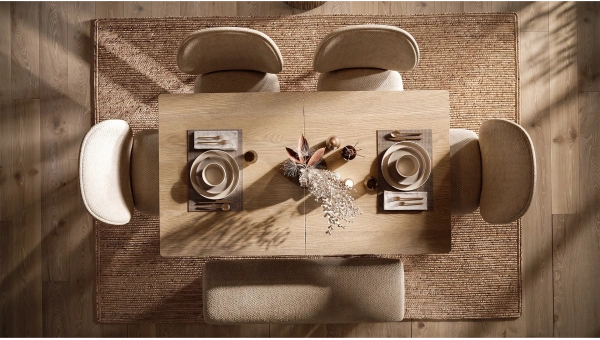
In the dining arrangement, approximately 60 cm of sitting space should be left for each person. A service and presentation area should be created in the center of the table; the arrangement of plates, cutlery, and glasses should be in a left-right and top-to-bottom order. In large gatherings, decorative elements in the center of the table should be kept simple.
What is in a 12-person dining set?
A 12-person dining set typically includes: 12 service plates, 12 soup bowls, 12 dessert plates, 12 tea cups and saucers, 12 bowls or sauce dishes, 1-2 large serving plates, 1 soup pot, salt and pepper shakers, salad bowl, and additional accessory pieces in some sets.























 Contact us
 +90 850 800 34 87