The choice of color in home decoration is not only important for aesthetics but also for its psychological effects. The impact of colors on human emotions and behaviors has been scientifically proven. Therefore, the color used in a room directly affects the atmosphere of that space and the time you spend there. In this article, we will explain what kind of impact colors have in each room of your house, starting from the basic principles of color psychology.
What is Color Psychology and Why is it Important in Decoration?
Color psychology is a field that examines the emotional and mental effects of different colors on people. Each color is perceived in different ways by the brain and can affect our behavior and mood. For example, red creates a stimulating effect, while blue offers a more calming effect.
In home decoration, color psychology not only makes living spaces look beautiful but also ensures that they are planned in a way that supports the mood of those living in them. A home decorated with the right colors can make you feel more energetic during the day or make it easier to relax in the evenings.
Which Color Triggers Which Emotion at Home?
Each color carries a different psychological meaning. It is important to consider these effects when choosing colors to use at home.
- Blue: Provides a sense of peace, trust, and tranquility. It is especially preferred in bedrooms.
- Green: A calming color that connects with nature. It is effective in living rooms and study rooms.
- Yellow: Gives cheer, creativity, and energy. However, excessive use may cause tension.
- Red: Adds vitality and passion but can be tiring if overused.
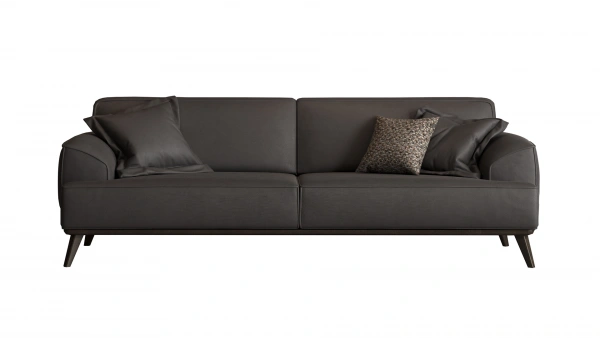
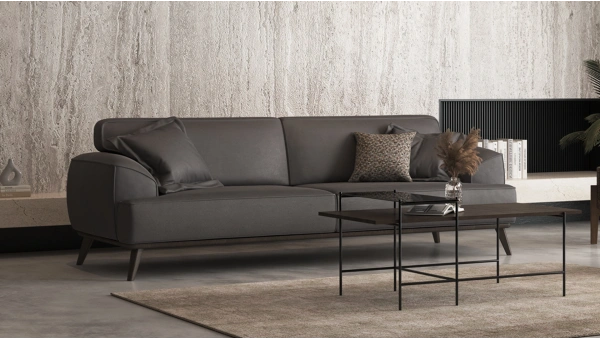
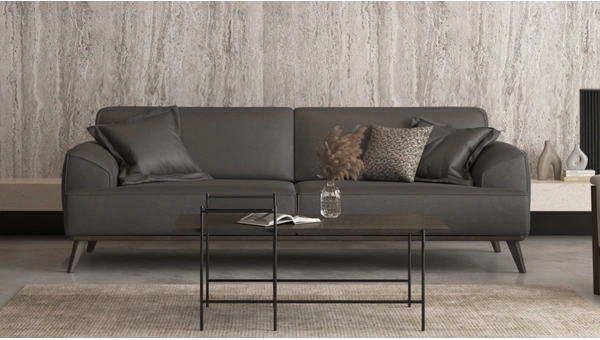
- Gray: Gives a neutral and modern feel. It is preferred as a balancing color.
- White: Creates a sense of cleanliness and spaciousness. Provides a widening effect in small spaces.
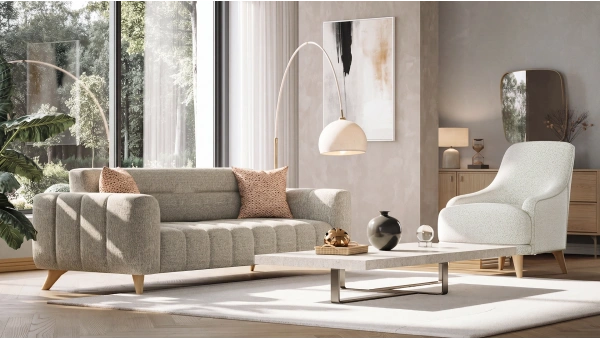
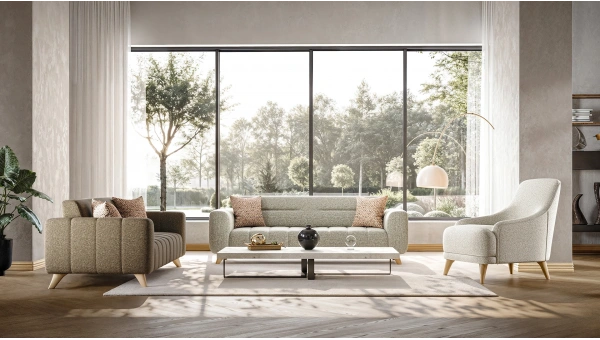
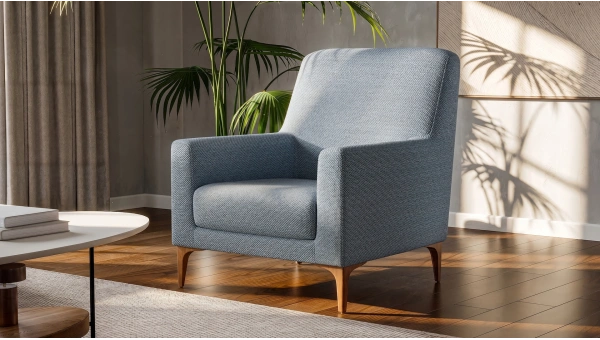
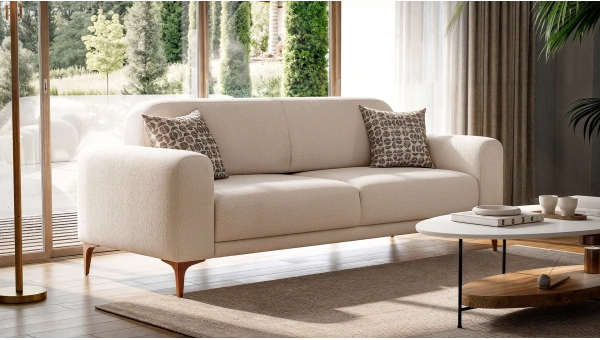
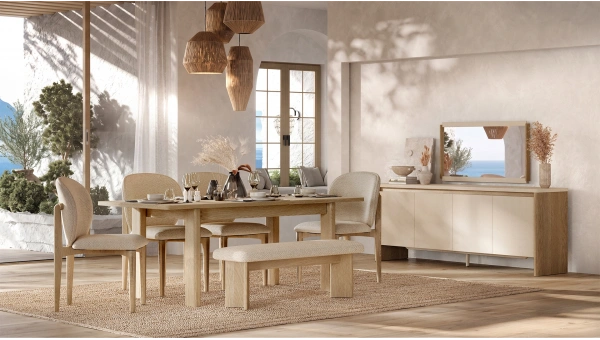
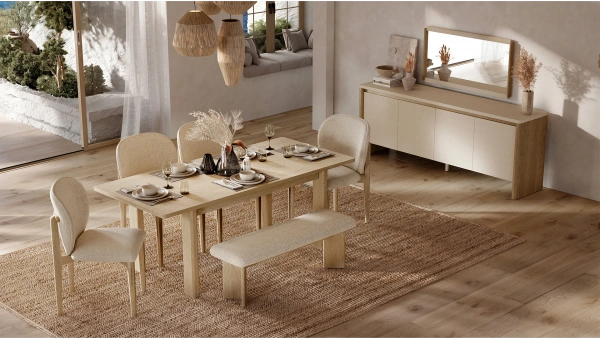
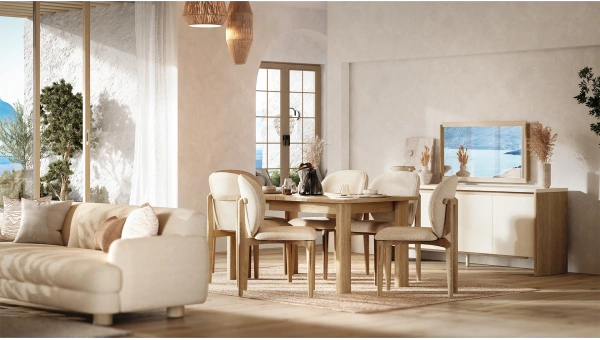
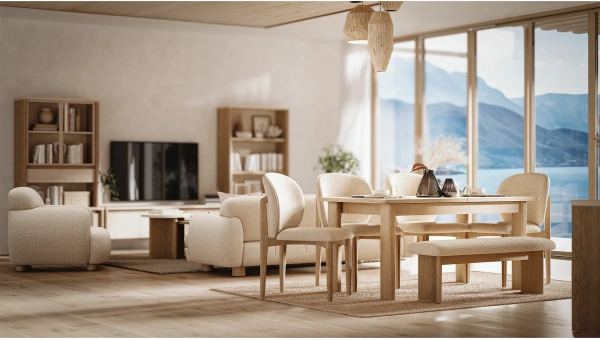
Kelebek's light-toned sofa sets or dining room sets with natural wood details make it easy to bring these color effects into your home.
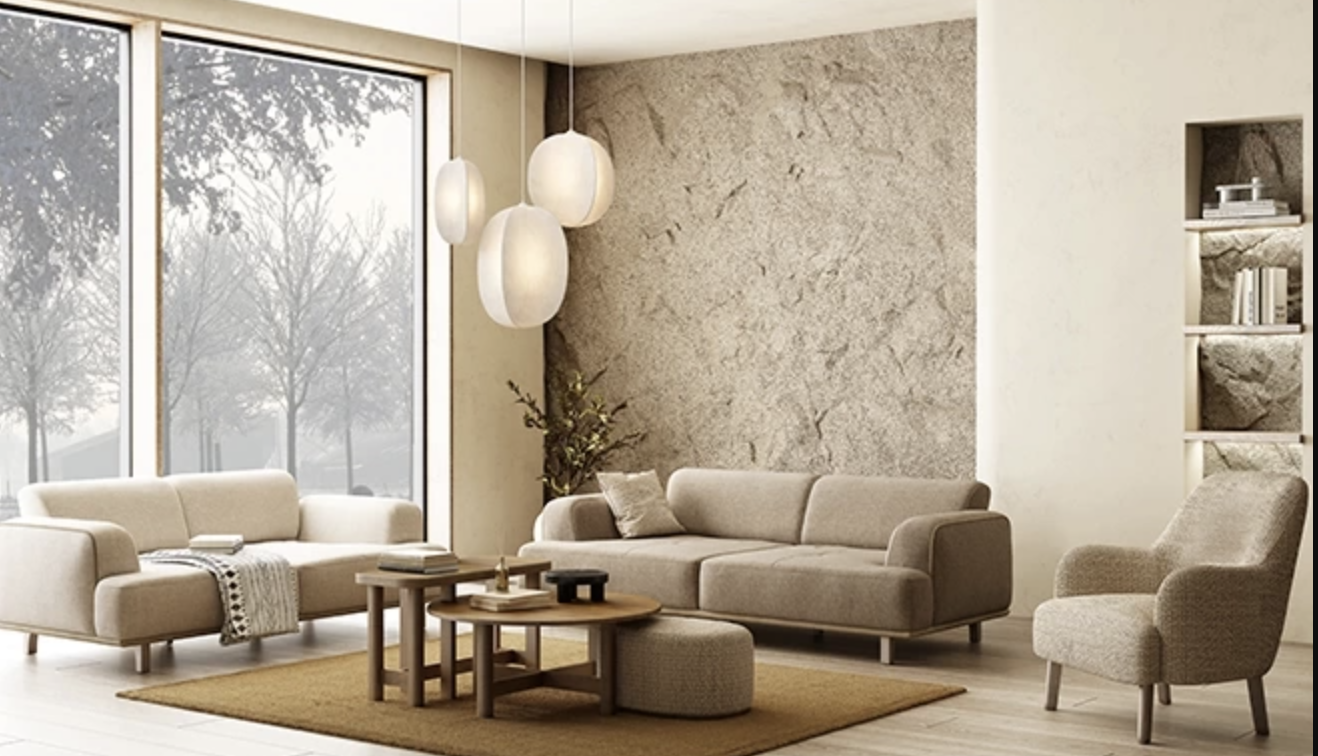
Which Colors Create a Relaxing Effect in the Living Room?
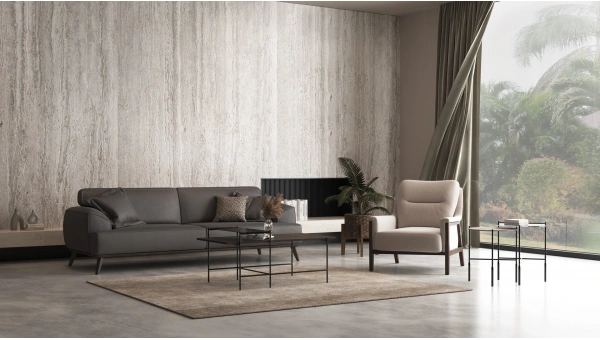
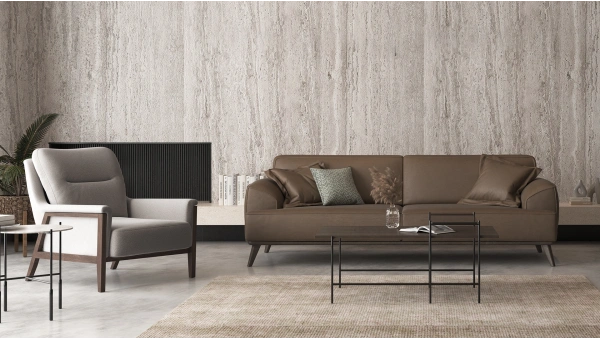
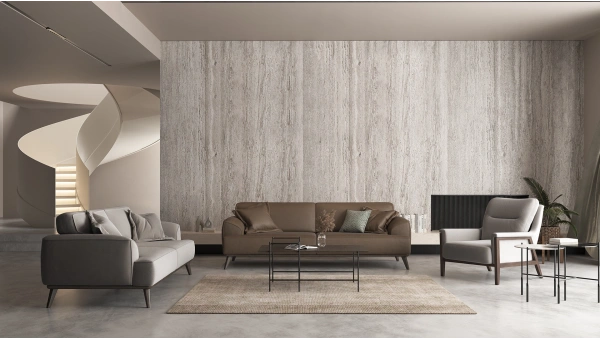
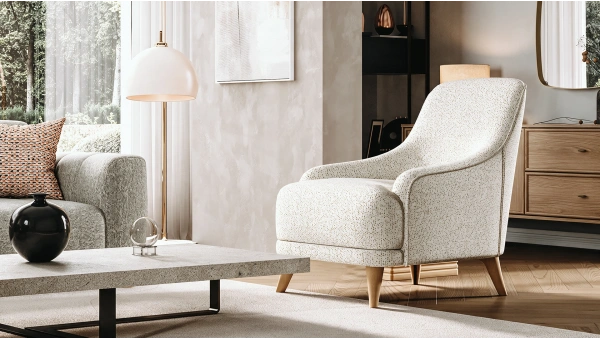
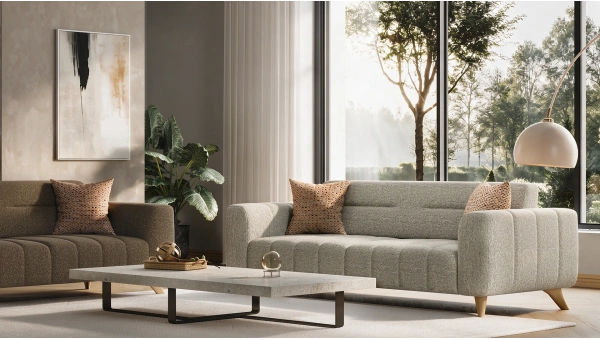
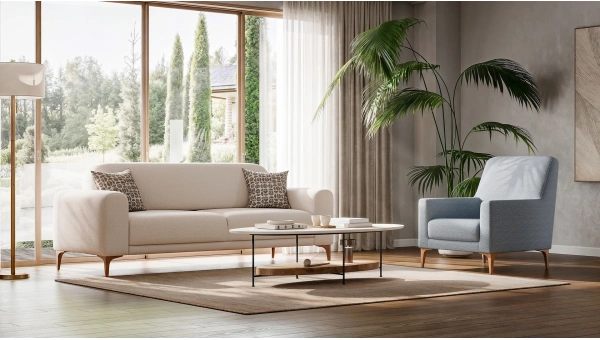
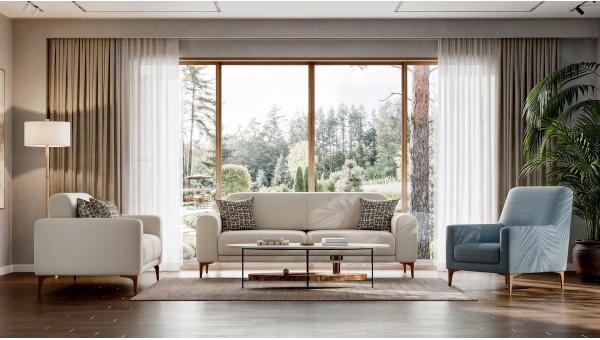
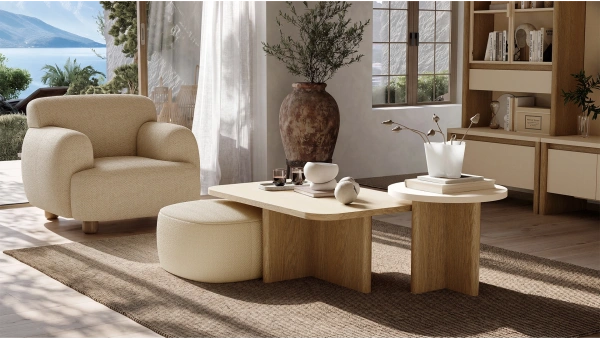
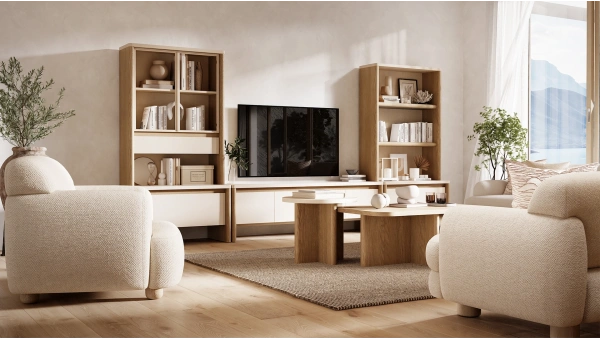
The living room is where we spend most of our day, entertain guests, and relax. Therefore, it is important to create a relaxing but also social atmosphere. Light-toned beiges, soft grays, and pastel greens are ideal choices for this environment.
While light tones are preferred for the walls, a focal point can be created by using colorful cushions in the decoration or painting one wall in a different color. A balanced composition can be achieved with corner sofas and wooden coffee tables.
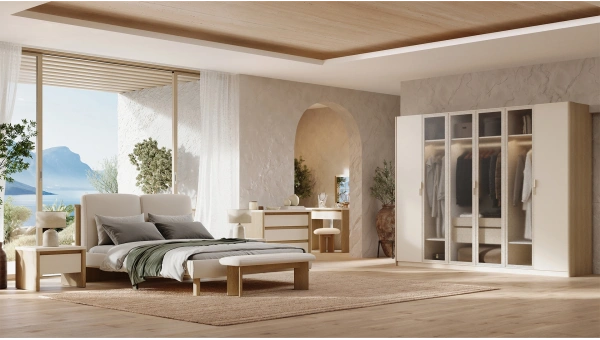
Which Colors Affect Sleep Quality in the Bedroom?
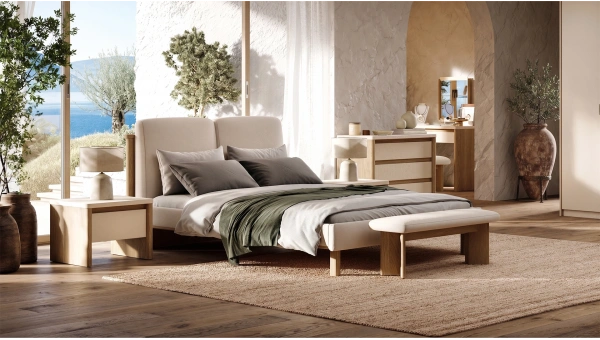
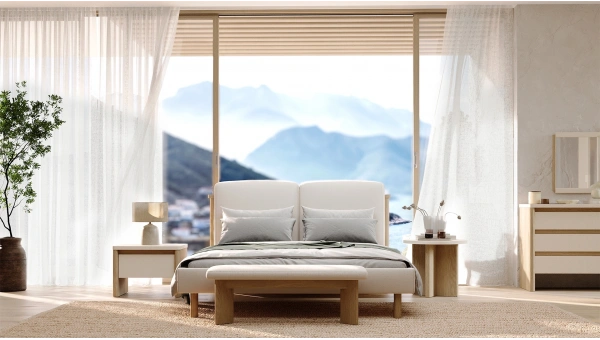
Bedroom colors are very important for quality sleep. Low stimulating, calming tones should be preferred. Especially light blue, lavender, and pastel tones create a relaxing atmosphere.
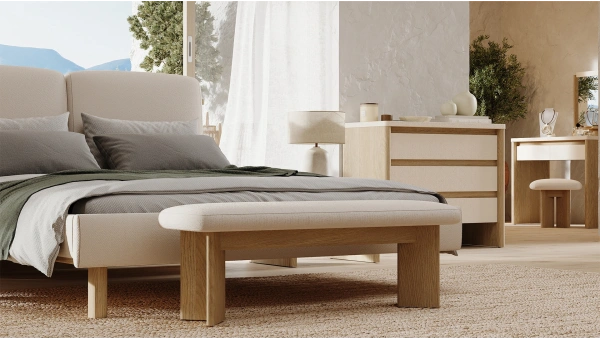
It is necessary to avoid dark colors, as dark tones can stress the mind. The balance of gray and white offers both a modern and simple atmosphere. Kelebek's elegant headboards and beds with storage are ideal complements for color balance.
Energy-Giving Color Choices for the Kitchen and Dining Area
The colors used in the kitchen can directly affect appetite, energy, and the conversation environment. Yellow, orange, and warm earth tones are ideal options for this area. These colors create a lively atmosphere, especially in kitchens that receive sunlight.
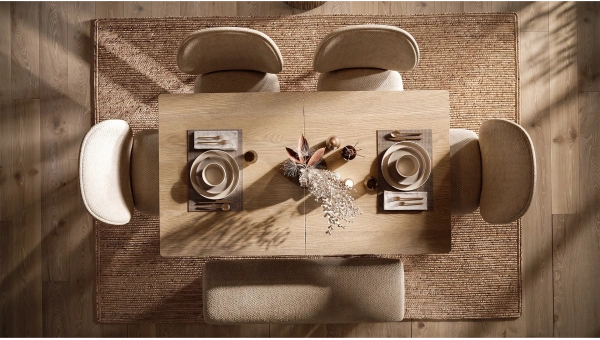
Colorful chairs or patterned wallpapers used around the dining table also add energy to the environment. Kelebek dining room collections offer a wide range of colorful and modern options to enliven these areas.

























 Contact us
 +90 850 800 34 87