Fabric choices are important across a wide range, from home decoration to the clothing industry. One of the fabric types that stands out with its elegance, durability, and texture is chenille fabric. This fabric, which is frequently preferred especially in furniture upholstery and home textiles, offers advantages in terms of both aesthetics and comfort.
So, what is chenille fabric and why is it so popular? In this article, we will cover all the details about its durability, texture, and usage areas. You can find answers to many questions from the features of chenille fabric to its cleaning, its effects on health, and whether it is suitable for animal friends.
What is Chenille Fabric?
Chenille fabric is a special type of textile that stands out with its soft texture and plush surface. It is derived from the French word "chenille," meaning "caterpillar," and takes this name from the fabric's caterpillar-like and fluffy structure. It is usually produced by combining cotton, polyester, acrylic, or viscose threads.
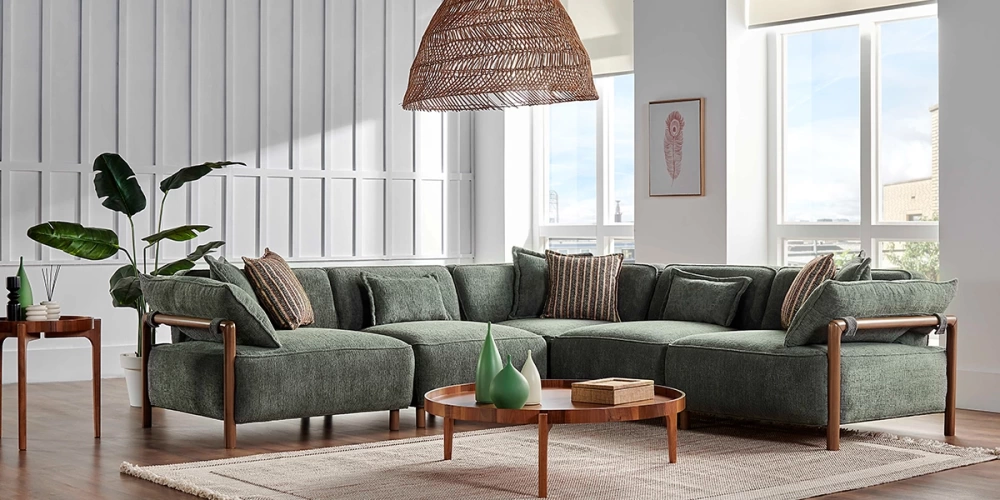
Chenille fabric is especially preferred in furniture upholstery, curtains, cushion covers, blankets, and decorative textile products. Thanks to its soft surface, durable structure, and luxurious appearance, it finds its place both in home decoration and fashion.
This type of fabric is produced by a special twisting technique of its threads. The short fibers added to the threads during production give the surface a voluminous and plush appearance. This offers a velvety and warm feel.
What Kind of Fabric is Chenille?
Chenille fabric has a soft, plush-like texture and is a warm, comfortable, and aesthetically appealing type of fabric. This fabric, which evokes a luxurious feel both visually and tactilely, has a fluffy and velvety surface thanks to its weaving technique.
It is generally used in furniture upholstery, curtains, cushion covers, and decorative home textile products. Since chenille thread is created by adding short fibers among twisted yarns, a slight pile and fluffiness is felt on its surface. This feature offers a flashy appearance and gives a soft feeling when touched.
Moreover, chenille fabric can be produced from different materials. Cotton, polyester, acrylic, and viscose blends determine the texture, durability, and usage areas of chenille fabric. While pure cotton chenille fabrics have a more natural and breathable structure, polyester blends can be more durable and stain-resistant.
What are the Features of Chenille Fabric?
Chenille fabric offers a comfortable and stylish use thanks to its soft texture and aesthetic appearance. Frequently preferred in home decoration, furniture upholstery, and textile products, this fabric has several standout features. Here are the most prominent features of chenille fabric:
1. Soft and Velvety Texture
Chenille fabric has a plush and velvet-like surface. It gives a soft feeling when touched, and this feature makes it especially preferred in comfort-focused textile products.
2. Durable and Long-Lasting
When used correctly and maintained, it can maintain its durability for many years. Chenille fabric is resistant to wear and tear thanks to its tight weave structure and maintains its shape for a long time.
3. Thick and Voluminous Structure
Chenille fabric has a more voluminous structure compared to other fabrics. This gives it thermal insulation properties and adds a bulky and luxurious look to sofas when used as upholstery fabric.
4. Stain-Resistant Options Available
Especially chenille fabrics blended with polyester or acrylic are stain-resistant and easy to clean. However, completely cotton chenille fabrics may be more sensitive to stains.
5. Wide Range of Colors and Pattern Variety
Chenille fabrics have a wide color range and can be produced in many different patterns. This allows flexible use in decoration and fashion fields.
6. Provides a Stylish and Elegant Appearance
The shiny and fluffy surface of the fabric creates a luxurious and elegant aesthetic. Therefore, it is frequently used especially in furniture upholstery, curtains, and decorative pillows.
How to Clean Chenille Fabric?
The soft and fluffy texture of chenille fabric makes it very comfortable but also a fabric that needs careful handling for cleaning. Wrong cleaning methods can cause the fabric to pill, harden, or fade. Therefore, it is necessary to act delicately when cleaning chenille fabric.
To prolong the life of chenille fabric and prevent the accumulation of dirt, it is recommended to do light vacuuming regularly. Using the vacuum cleaner at its lowest setting, with a brushless attachment, and without applying too much pressure to the fabric, helps to prevent dust and crumbs from seeping into the fabric. Vacuuming at least once a week helps the fabric stay clean and maintained.
For daily cleaning, a slightly damp and microfiber cloth can be used. However, excessive use of water should be avoided as excessive moisture may damage the structure of the fabric. Gently wiping in circular motions and then absorbing the excess moisture with a dry cloth helps the fabric maintain its form.
Chenille fabric can be sensitive to certain stains. Therefore, it is important to intervene immediately when a stain occurs. Gently cleaning with soapy warm water is the best method. Harsh chemicals and strong cleaners like bleach should be avoided. Instead of rubbing the stain, cleaning with blotting motions will allow the dirt to be removed without damaging the fabric. Testing on a small area before using a stain remover is also important to prevent possible color changes.
Chenille fabrics are usually not suitable for machine washing. However, small items such as cushion covers can be washed on a delicate cycle, with cold water, and at low speed. It is recommended not to use fabric softener to prevent the texture of the fabric from deteriorating. After drying, gently adjusting it by hand can help it regain its natural form.
Avoiding exposure to direct sunlight during the drying phase is important to prevent color fading. Allowing chenille fabrics to dry naturally outdoors is the healthiest method. Avoiding the use of heaters or dryers prevents damage to the fabric fibers.
If you have a sofa or furniture with chenille fabric, getting professional cleaning service once a year can help the fabric remain long-lasting and maintain its original appearance.
How to Clean a Chenille Fabric Sofa?
Although chenille fabric is a durable and elegant upholstery fabric, it can wear out over time and cause pilling if cleaned incorrectly. Especially when used on sofas, regular maintenance is necessary due to frequent contact and potential spills. It is important to follow certain cleaning steps to ensure your sofa is long-lasting.
Regular cleaning is necessary to rid your chenille fabric sofa of dirt and dust. Using the vacuum cleaner's brushless and low setting attachment helps to clean dust and crumbs without damaging the fabric fibers. Dusting with a microfiber or cotton cloth keeps the surface cleaner. Placing thin covers on the sofa helps to keep the fabric less soiled.
Quick intervention when a stain occurs prevents it from becoming permanent. However, using harsh cleaners or excessive water can damage the fabric. The best method is to clean without rubbing, using blotting motions. Wiping with a mild soapy cloth can be effective in removing stains. Natural cleaners like baking soda or vinegar can also be used, but they should first be tested on an inconspicuous area of the fabric. If shampooing is to be done, only products suitable for the fabric should be used, and it should be ensured that no excess water remains.
Deep cleaning chenille fabric sofas once or twice a year helps the fabric stay fresh and clean. Wiping the surface with a damp cloth to remove dust and dirt is the first step. Applying a water and mild soap mixture with a spray bottle and removing the excess moisture with a dry microfiber cloth protects the fabric's structure. The sofa should be allowed to dry in a well-ventilated area, without direct exposure to sunlight.
Baking soda can be used to remove bad odors. Sprinkling it over the sofa, leaving it for a few hours, and then vacuuming helps remove odors from the fabric. A light wiping with a natural vinegar and water mixture can be done and then allowed to air dry. Mixing lavender oil or essential oils with water and lightly spraying can make the sofa smell nice.
If the sofa is very dirty or there are stubborn stains, getting professional cleaning service can help the fabric remain long-lasting. Steam cleaning and dry cleaning methods are safe and effective options for chenille fabric.
Is Chenille Fabric Healthy?
Chenille fabric can have different health effects depending on the materials used in its production. Cotton-based chenille fabrics stand out as a breathable, skin-friendly, and healthy option because they are made from natural fibers. However, chenille fabrics with synthetic content like polyester or acrylic may undergo chemical processing and, due to low air permeability, can cause sweating with long-term use.
Those with allergic tendencies should consider the dust and lint retention characteristic of chenille fabric. Regular cleaning and ventilation can minimize allergy risks. Moreover, a healthier use can be achieved by choosing chemical-free and certified fabrics. Especially Oeko-Tex certified chenille fabrics offer a safe alternative since they contain no harmful chemicals.
Is Chenille Fabric Suitable for Cats?
Choosing the right fabric is quite important for pet owners, and chenille fabric may not be exactly ideal as a cat-friendly option. Its soft and fluffy texture may present an appropriate surface for scratching and shedding for cats. Additionally, due to the fibrous nature of chenille fabric, cats' claws can easily snag on the fabric, causing wear over time.
However, the risk of fabric damage decreases when densely woven and durable types of chenille fabric are chosen. Models with stain-resistant coating can be more resistant to spills. If you have a pet, choosing a more densely woven, lint-free, and easily cleanable chenille fabric will provide a longer-lasting use. Additionally, you can protect your furniture by using a scratching post to reduce your cat's scratching habit.
Does Chenille Fabric Cause Pilling?
One of the most distinct features of chenille fabric is its soft and fluffy surface. This textured structure can cause the fabric to pill over time. Especially in frequently touched products like sofas, cushions, or curtains, the fabric fibers can wear due to friction, resulting in small pills on the surface. As the usage duration increases, this situation can become more pronounced.
However, the quality of the fabric and the weaving technique affect the rate of pilling. Densely woven, high-quality, and durable chenille fabrics pill less compared to lower-quality ones. Additionally, regular maintenance and avoiding harsh brushes or chemical cleaning products that can wear the fabric help to minimize pilling formation. If pilling has started on chenille fabric, it is possible to clean using lint rollers or special fabric shavers that do not damage the fabric surface.


























 Contact us
 +90 850 800 34 87